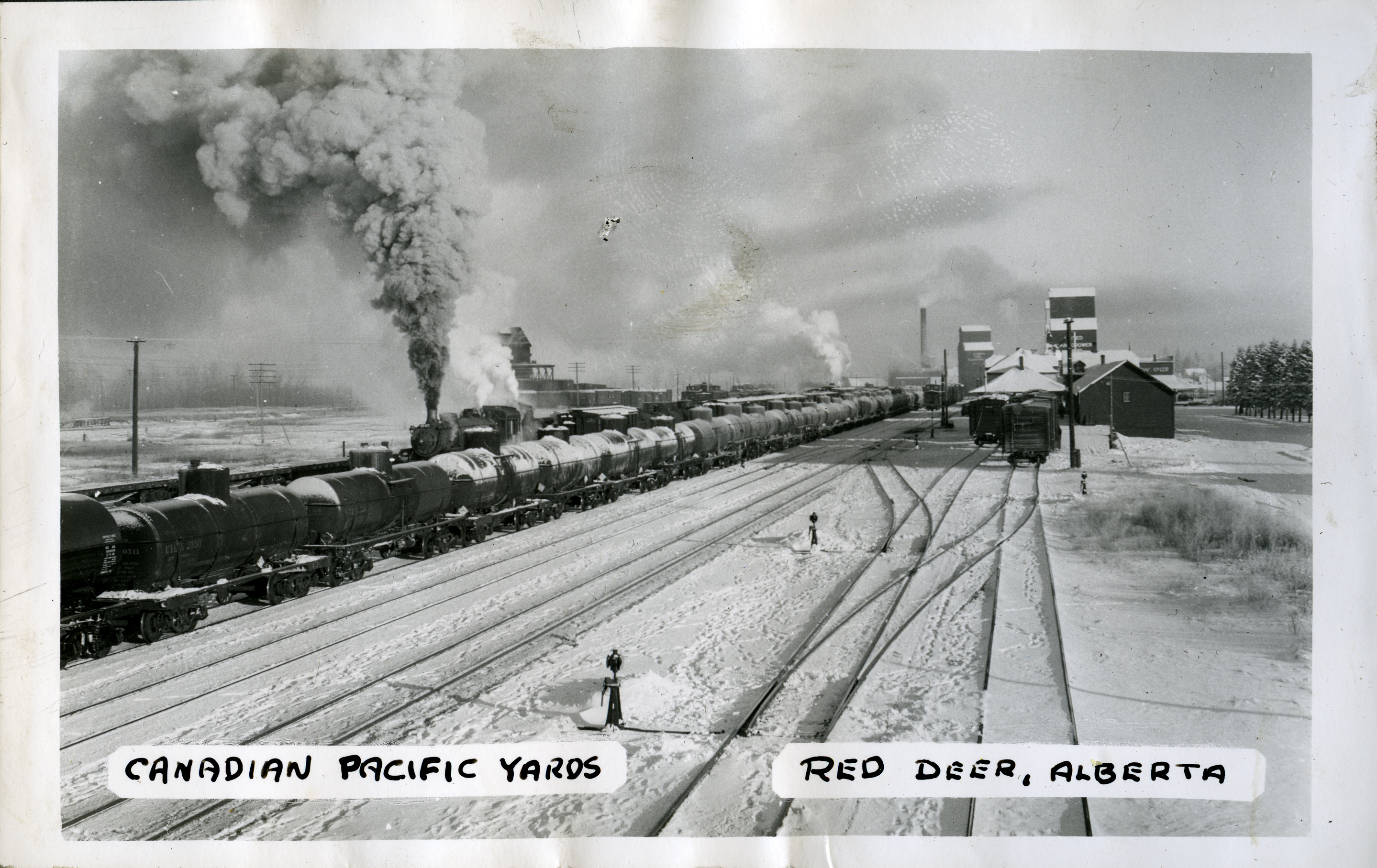
P3771, Oil tanker cars, 1947
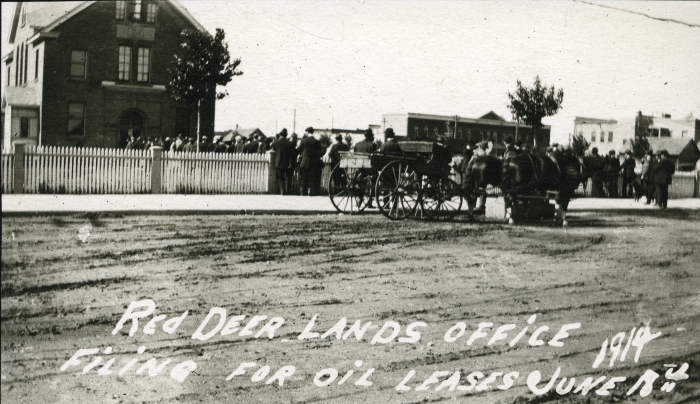
While most people view the discovery of oil at Leduc in 1947 as the start of Alberta’s oil and gas boom, there was a much earlier rush in Alberta.
In May 1914, the Monarch Company managed by A.W. Dingman struck oil in Turnery Valley. This led to an oil fever throughout Alberta. In Red Deer, filings for oil leases at the land office jumped for the region. The potential claims were then usually sold to oil exploration companies. Most companies were based in Calgary and southern Alberta, but the Red Deer Oil and Gas Company, Central Alberta Oils, and Innisfail Pioneer Oil Company also quickly formed.
When Monarch struck oil 120 km southwest of Red Deer in June, the fever increased, and what a rush it was to even get a claim number. As the newspaper on June 19, 1914, reported: "Alderman Botterill ran a gents furnishing store while the boss went down to get a number, one barber left a customer in the chair when he levanted for the land office, the C.P.R. construction gangs were all run down to dip in, and so on.”
By July 20, the rush lost steam as just under 1400 owners of tickets failed to appear when called to make a filing. The newspaper reported two days later: "The boom, while it lasted, benefitted a large number of citizens, and helped out the city generally. [...] and while a lot of money has been tied up the last few weeks, it has been nearly all outside money, so that we are none the worse off." That fall, the Red Deer Oil and Gas Company suspended operations, while the Pioneer Oil Company and Red Deer Investment Company tried drilling, but their wells came up dry. The start of the First World War refocused the community away from oil and gas until the Leduc discovery in 1947.
When Leduc No. 1 struck oil, it set off a rapid expansion in oil exploration and production throughout the province. For Red Deer, this primarily developed into support companies, such as Quinn’s Oilfield Supplies (founded in 1965 by Jim Quinn) and innovators such as Safety Boss. Safety Boss were founded by Ken “Smokey” Miller in the mid-1950s focusing on hydrogen sulphide work including capping gas wells. They first made international waves by capping a well blow-out off the coast of Iran in 1983. They are also leaders in advanced fire fighting techniques for the oilfield.
Some companies were also part of the end products for oil companies. For example, in 1975, when Jack Donald purchased Parkland Beef Industries, a cattle feedlot, and renamed it Parkland Industries, he pivoted the company to fuel retailing. Parkland Industries established Fas Gas Plus, a western Canadian gas station chain, in 1977, which was headquartered in Red Deer until the mid-2010s.
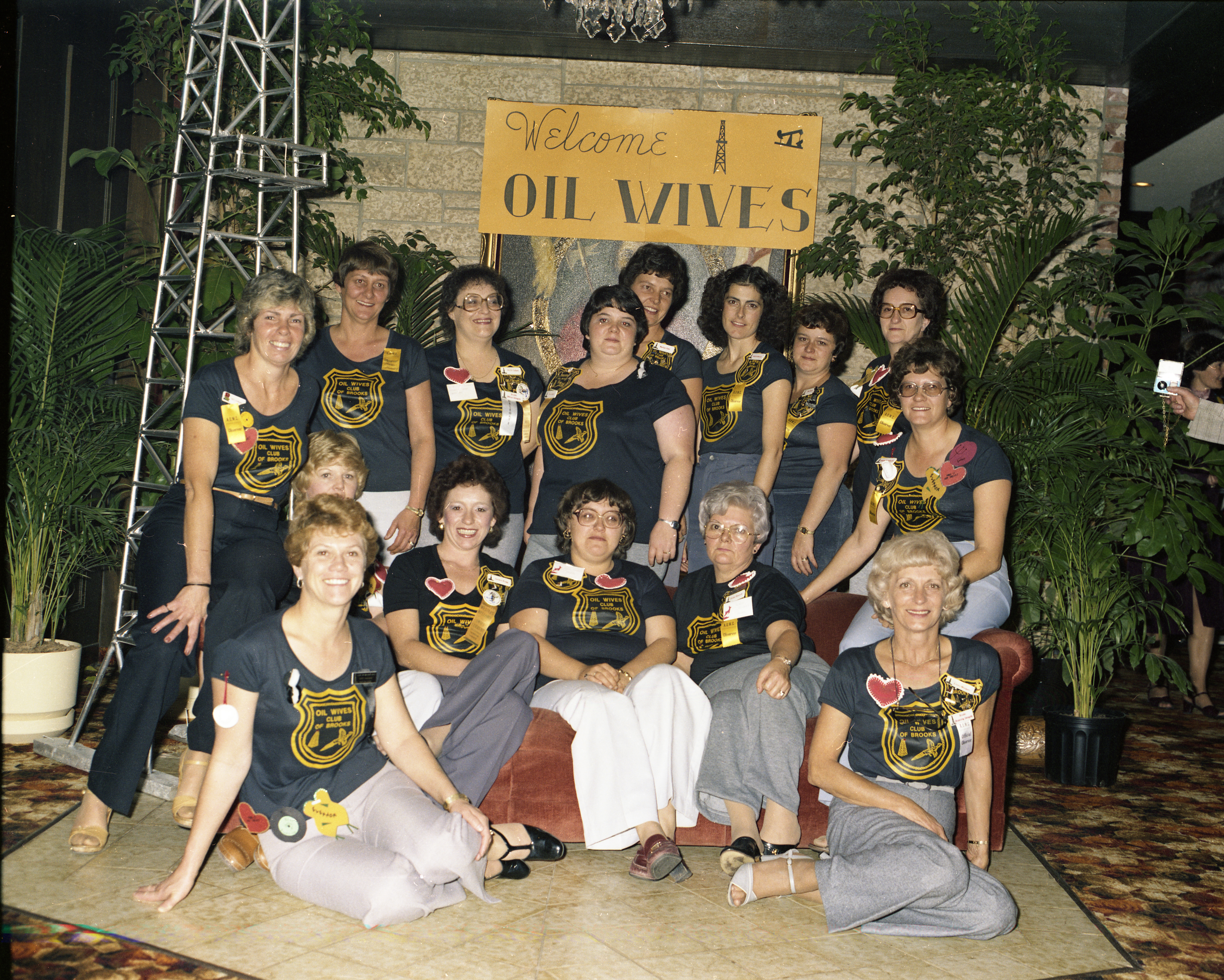
Throughout the years, many oil and gas companies sent their workers into the field for days or weeks at a time, leaving wives and children at home in Red Deer. Groups such as the Red Deer Oil Wives Association (formed in 1956 and later renamed Oil Wives Club of Red Deer) organized a social support system for these primary parents. Sports, especially curling bonspiels, were also a popular pastime for oil companies to sponsor, and many of the local companies continue to provide funding to local sports such as the Red Deer Rebels, the Red Deer Curling Club, and Red Deer Minor Baseball.
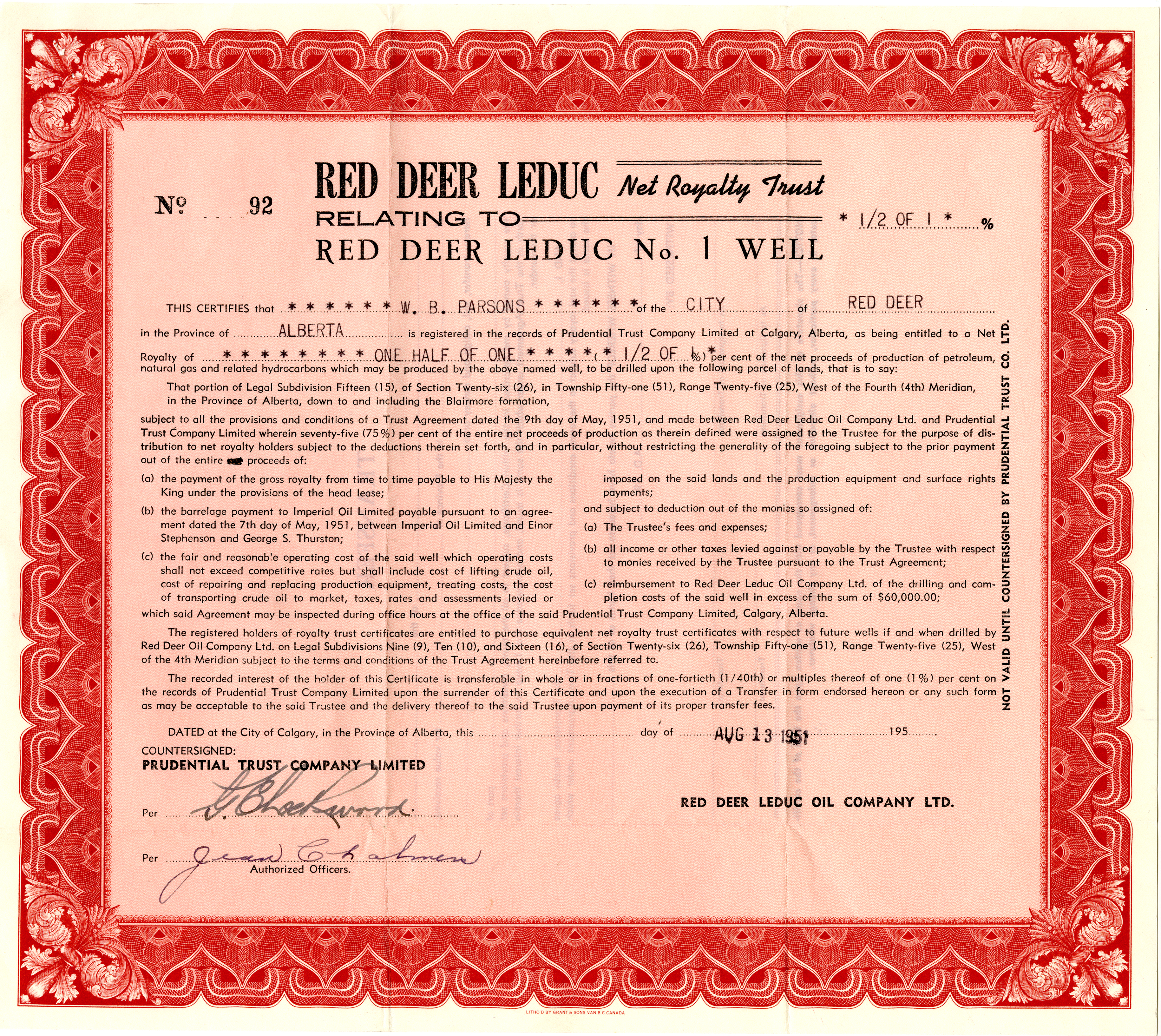
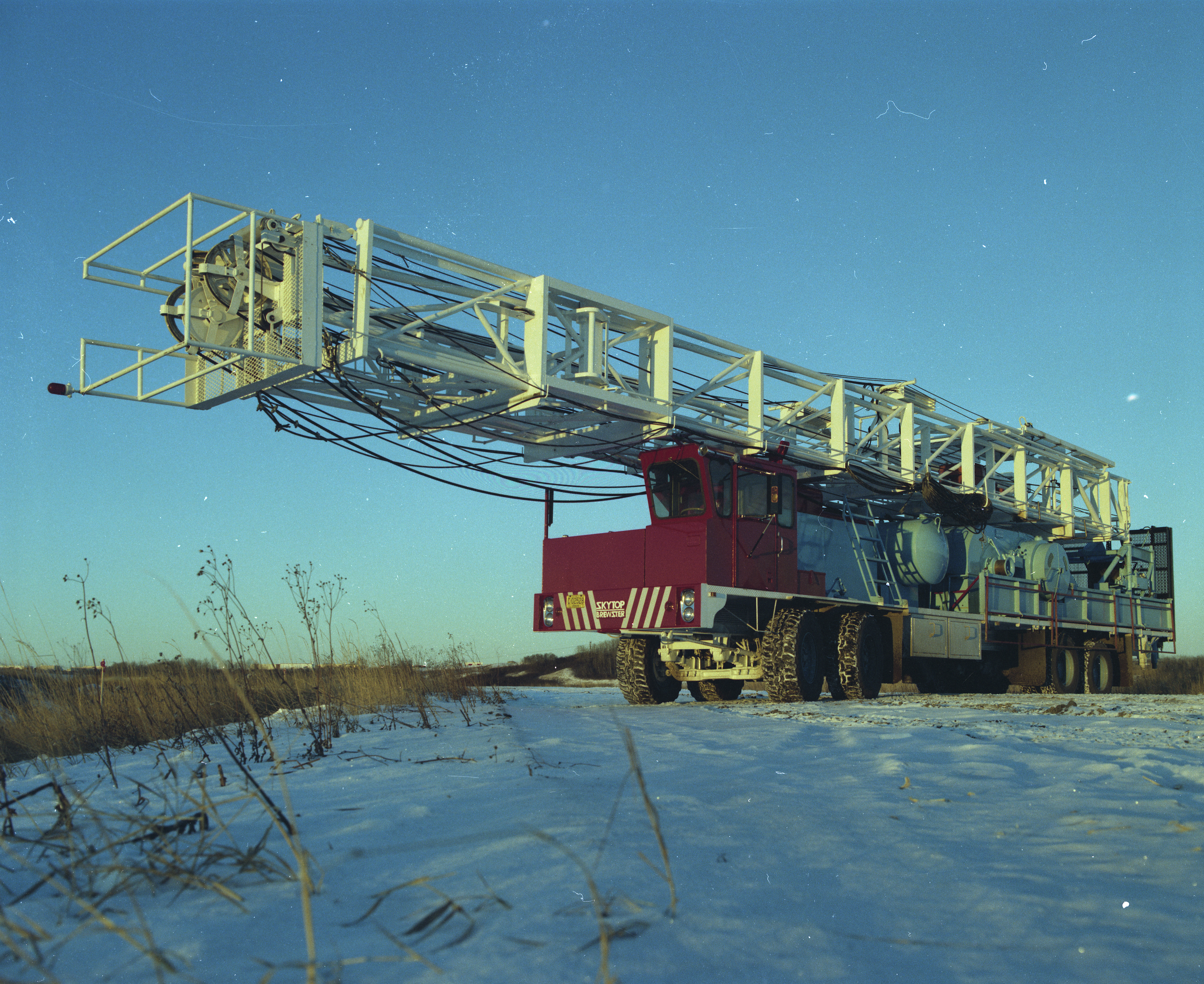
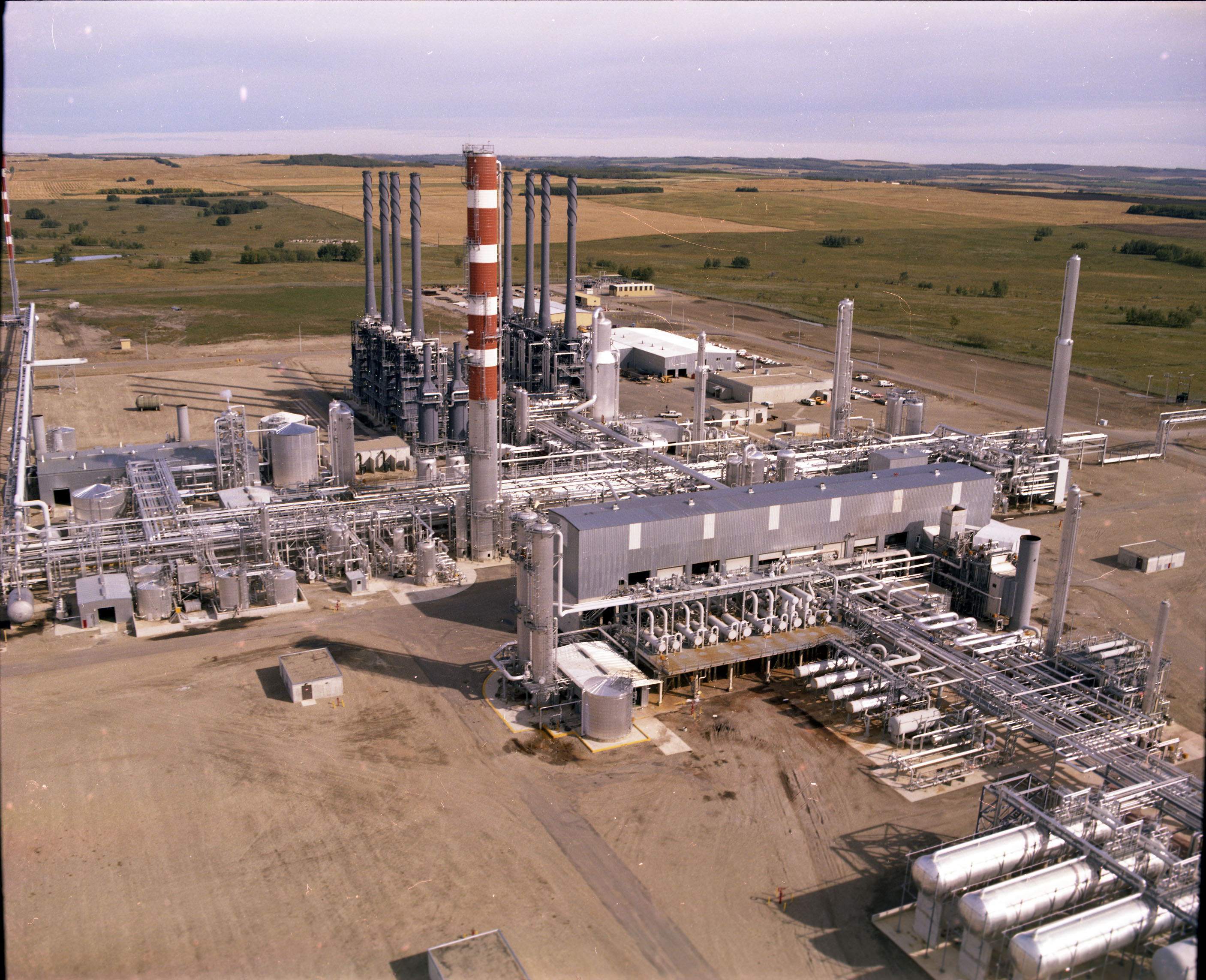
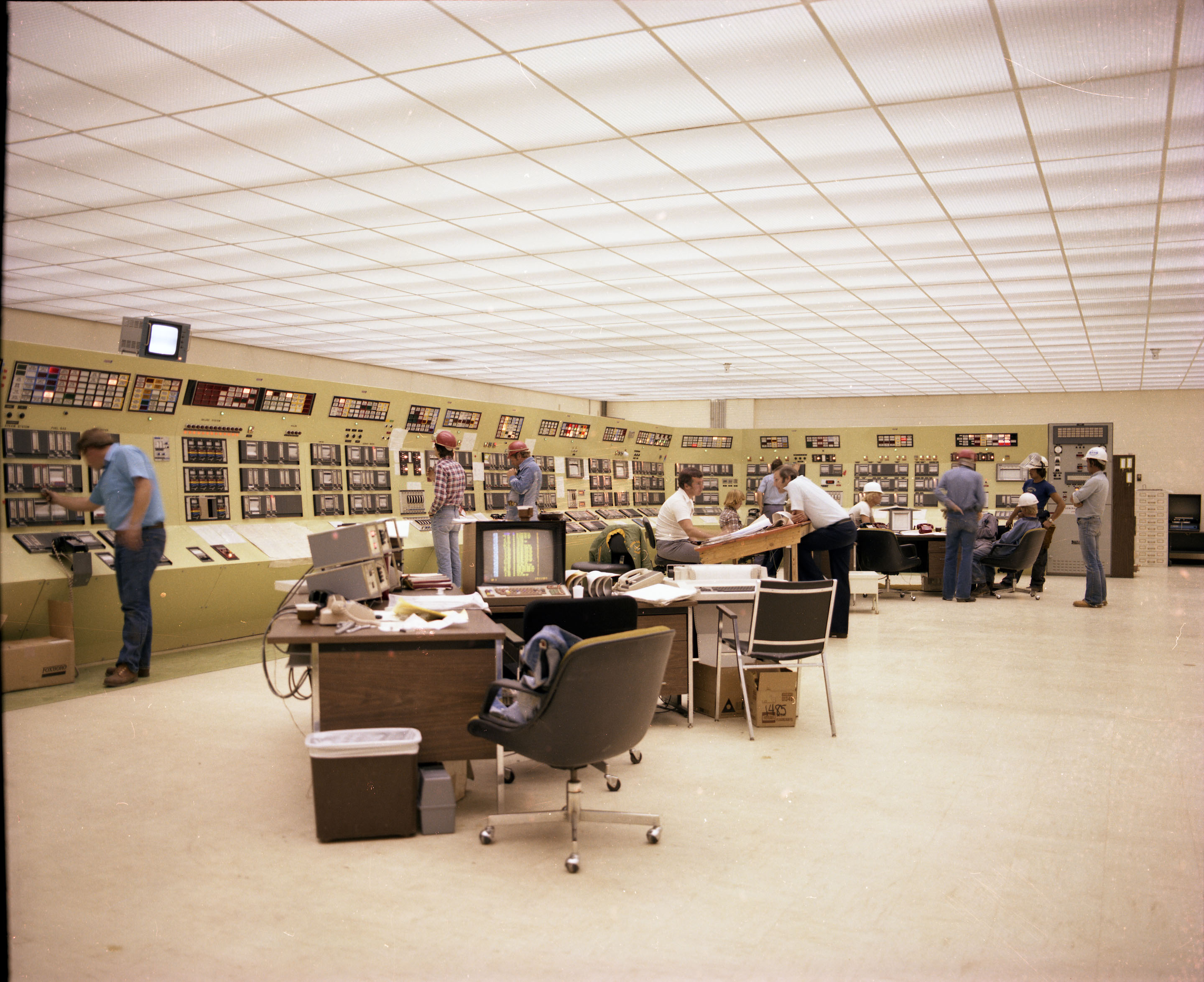
In 1974, it was announced that two world-class petrochemical plants would be constructed in central Alberta. The Alberta Gas Trunk Line Company, a regulated utility involved in the transmission of natural gas in Alberta, was persuaded to take the lead in the project. It created a subsidiary known as Alberta Gas Ethylene that would produce ethylene from ethane feedstock extracted from natural gas. The plant near Joffre was to be the largest ethylene plant in Canada.
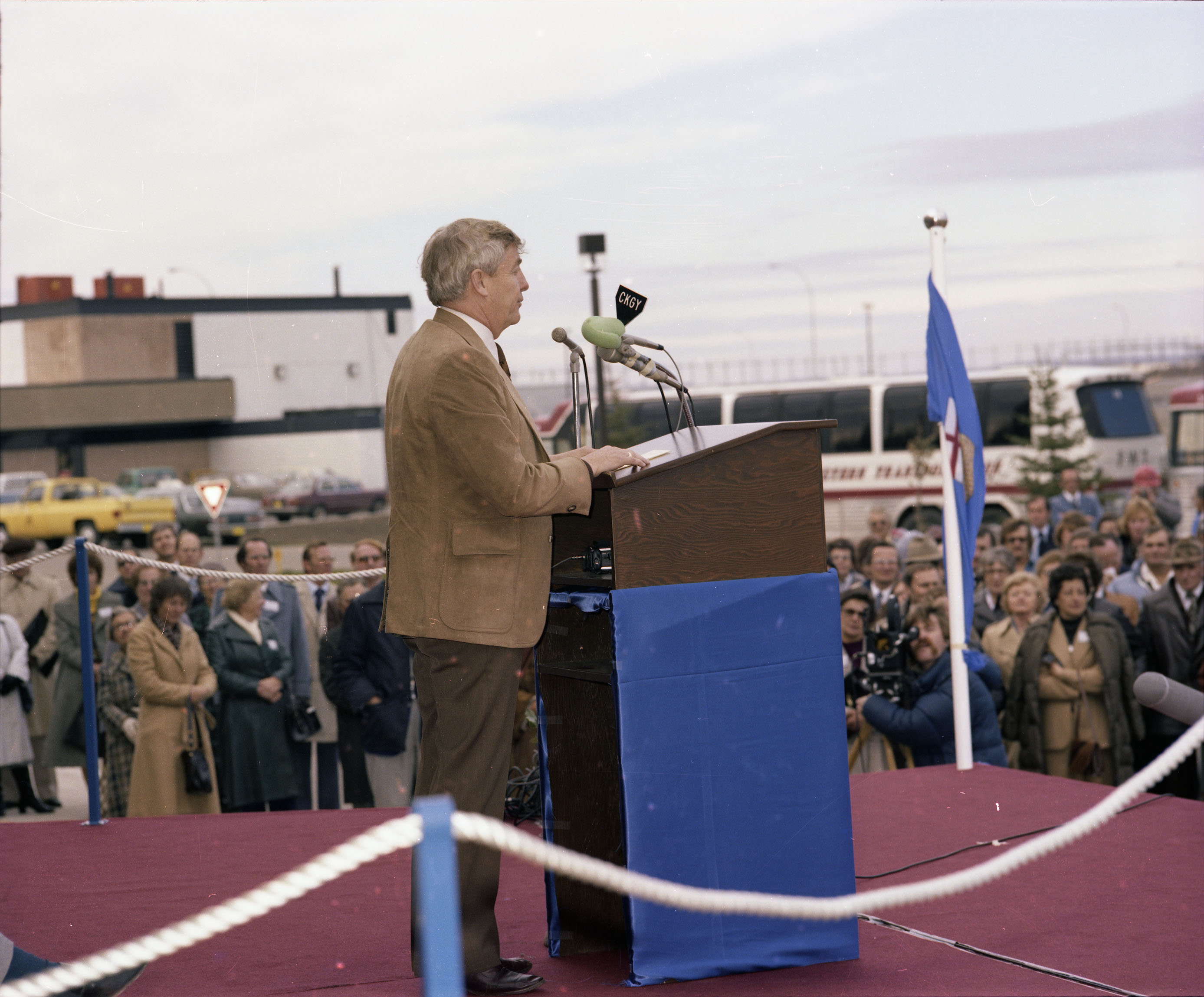
On October 22, 1979, the new plant officially opened. Premier Peter Lougheed unveiled the official plaque at an outdoor ceremony. He called the complex “a turning point in the economic diversification of Alberta”. He emphasized how important the new petrochemical industry would be in creating new employment opportunities and ensuring future prosperity for the province.
Even before the first plant opened, a second one was already announced, also near Joffre, and in 1984 an ethylene glycol plant opened near Prentiss. Partially in response to these plants, Red Deer began a spurt of growth which would ultimately to lead it to new status as the third largest city in Alberta.
Learn more about Oil and Gas records in the Archives.