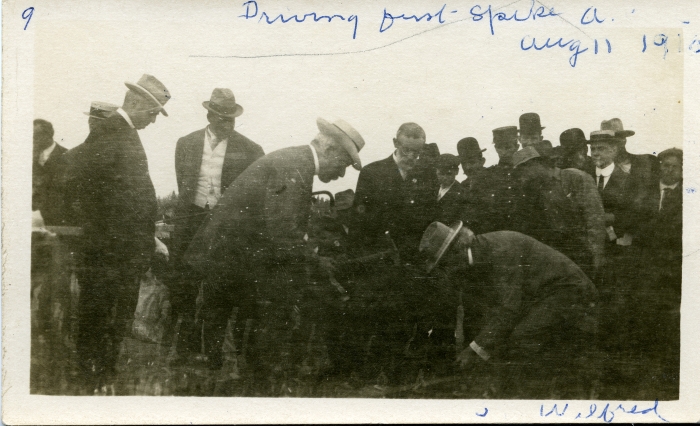
P2173, First ACR Spike, 1910
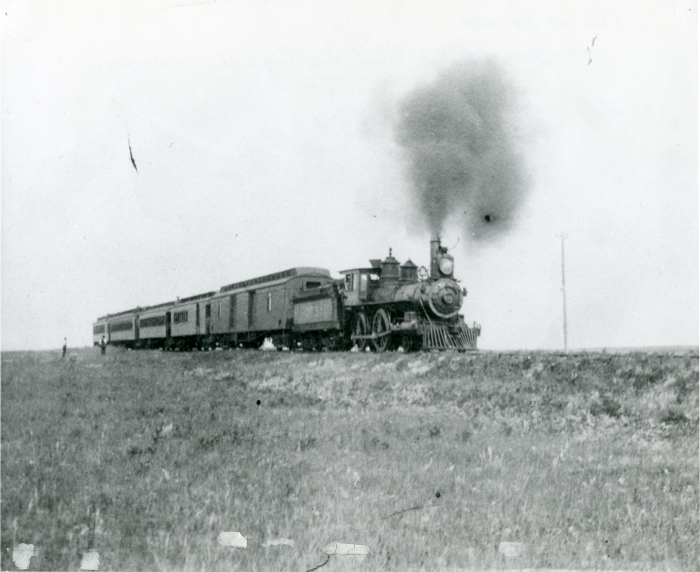
Calgary & Edmonton Railway
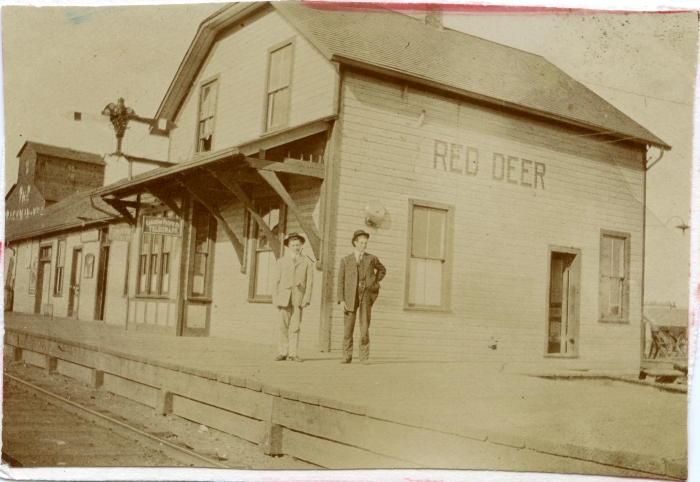
Rail service first reached Red Deer in 1891 through the Calgary and Edmonton Railway, which connected Alberta’s two major cities. Red Deer was promoted as the “first town on the Calgary and Edmonton Railway,” and a small wooden station was constructed in the community. As more rail lines were established, they brought settlers, industrial equipment, and commercial activity to the Red Deer region and were essential to the growth of Red Deer through much of the 20th century.
Alberta Central Railway (ACR)
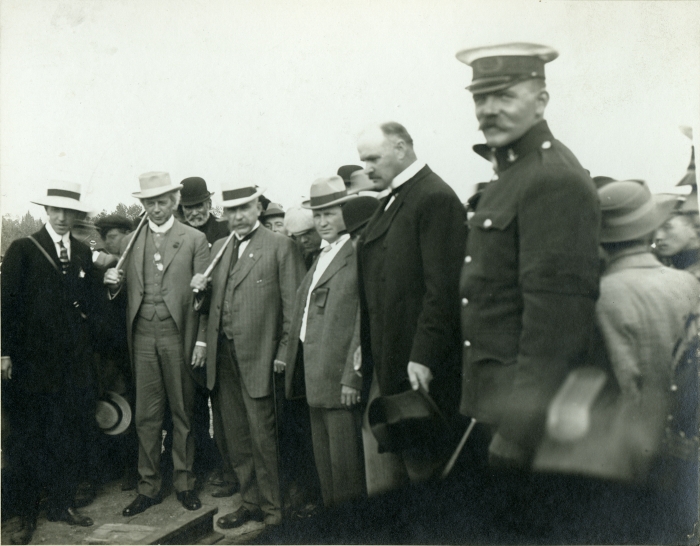
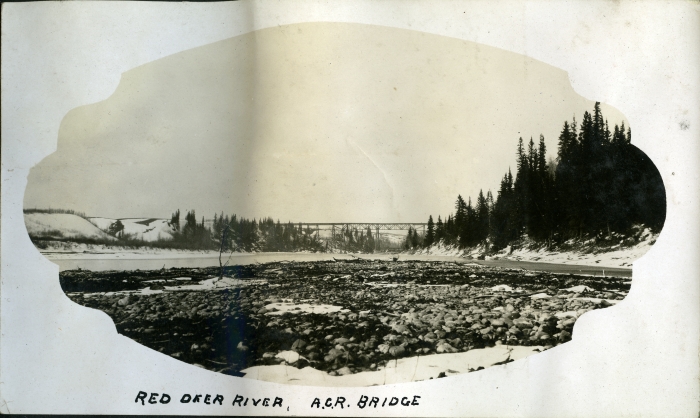
The Alberta Central Railway (ACR) was incorporated on May 23, 1901, with its headquarters located in Red Deer’s Smith and Gaetz Block (5002 Gaetz Avenue). Seeking to establish the first rail connection to Rocky Mountain House, the ACR filed plans in 1910 for a railway extending west from Red Deer. Construction officially began on August 10, 1910, when Prime Minister Sir Wilfrid Laurier drove the first spike of the Alberta Central Railway in Red Deer. However, financial difficulties soon hampered the project, and the ACR declared bankruptcy in 1912. The Canadian Pacific Railway (CPR) acquired the company as a subsidiary and continued construction of the line, opening the line in the summer of 1914.
Canadian Northern Railway (CNoR/CNR/CN)
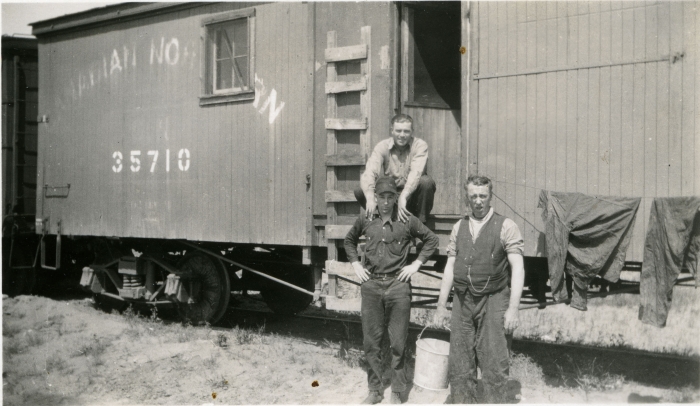
The Canadian Northern Railway (CNR) was federally chartered in 1899. In the summer of 1910, CNR built a line into Red Deer that connected with the Brazeau Branch, a line to connect Red Deer to the Brazeau coalfields near Nordegg and Rocky Mountain House and was intended to eventually link with Calgary. The CNR envisioned Red Deer as an important divisional point within its railway network, which would result in population and economic growth for the town of Red Deer.
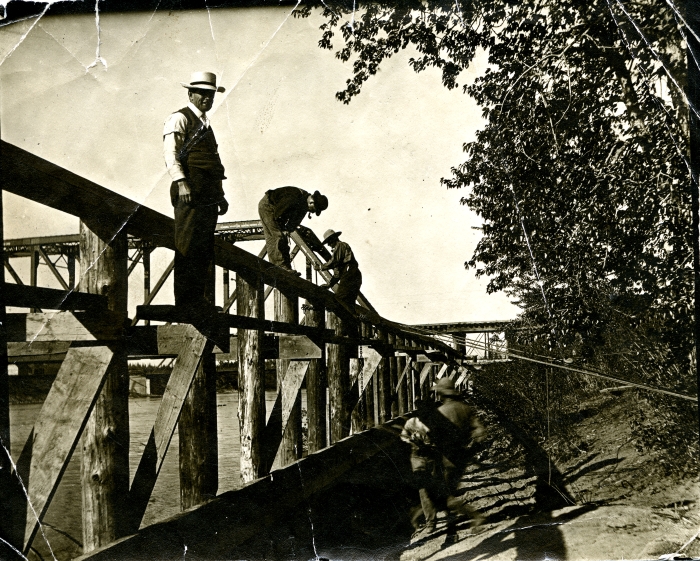
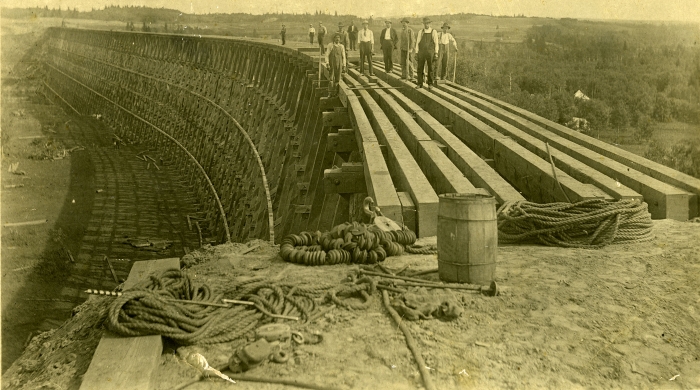
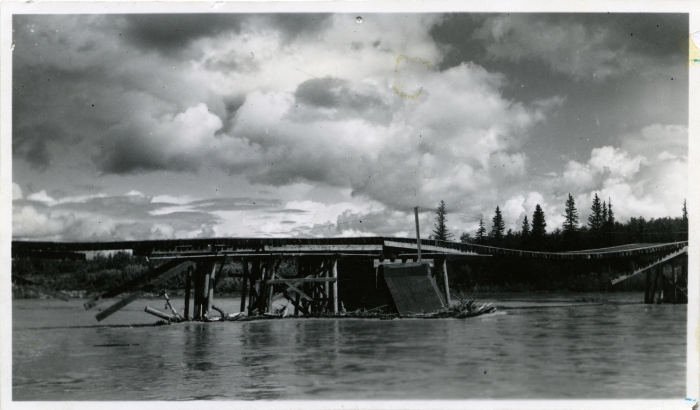
A major milestone followed in 1919 with the completion of a bridge across the Red Deer River near the mouth of Waskasoo Creek, and in 1920 steel was laid through the city. In , the Canadian government assumed responsibility for the Canadian Northern Railway and the Grand Trunk Pacific Railway, consolidating them under the Canadian National Railways (CNR). In that same year, a new CNR station on the corner of 50 Street and 47 Avenue where the Plaza Shopping Centre now sits, transfer lines from CPR’s main tracks, and stock yards spanning from 43 Street to 50 Street, were also built.
Canadian Pacific Railway (CPR/CP/CPKC)
In 1903, the Canadian Pacific Railway acquired both the Calgary and Edmonton Railway line and the railway company itself, connecting its main southern route to Edmonton.
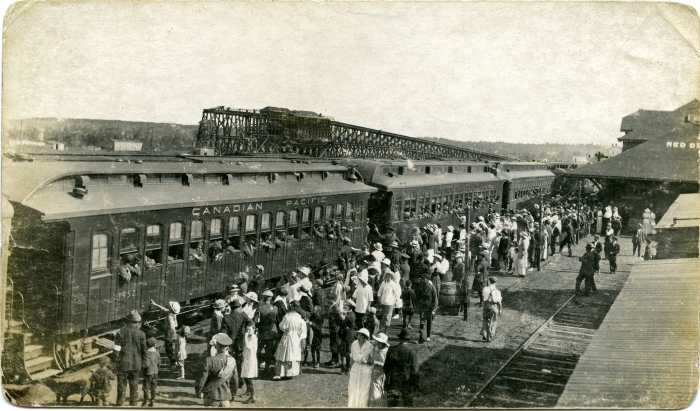
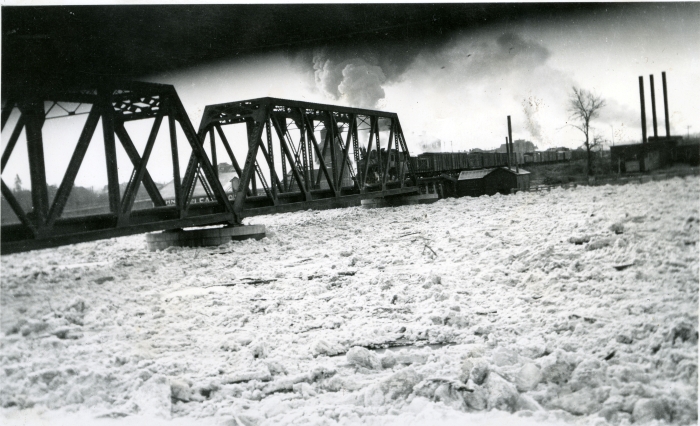
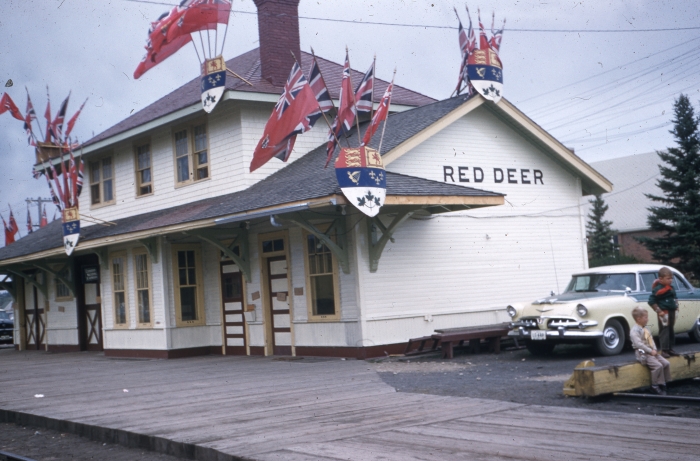
The CPR bridge across the Red Deer River was built in 1908, and the CPR station was built in 1910, which still stand today at 5000 - 51 Avenue. Both were integral to the city, serving as a meeting place, a reception centre for visiting dignitaries, and the point of departure and return for soldiers during both World Wars. Even though the station and subsequently the passenger rail line closed in 1985, the bridge carried rail traffic continuously until 1990, until it was a dedicated pedestrian only bridge when it was designated as a Municipal Historic Resource in 1991. In February of 2025, instead of demolishing the 117-year-old bridge the provincial and municipal government started a $22.3 million rehabilitation project on the CPR Pedestrian Bridge.
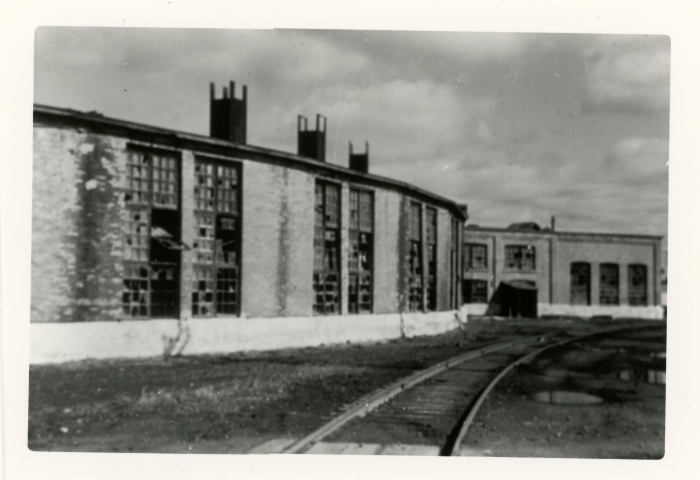
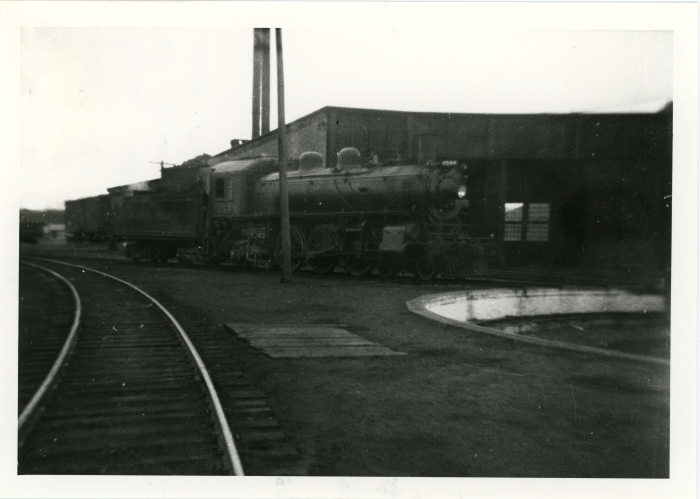
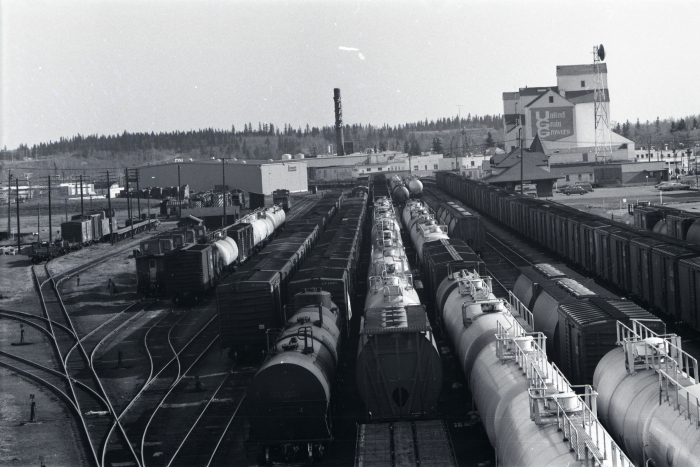
After the closure of bridge rail traffic in 1990, the rest of CPR’s railyards featuring a station, gardens, a ten-stall brick roundhouse, a coal chute, and five grain elevators relocated from its downtown location and now sit near the present-day Edgar Industrial Park and 67 .
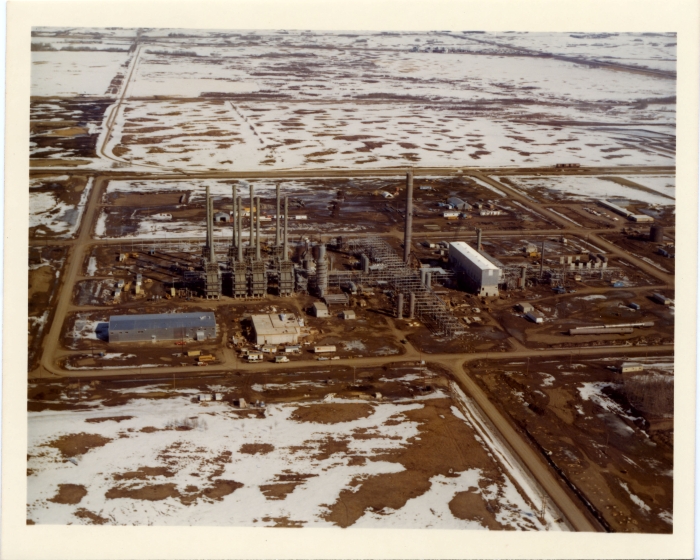
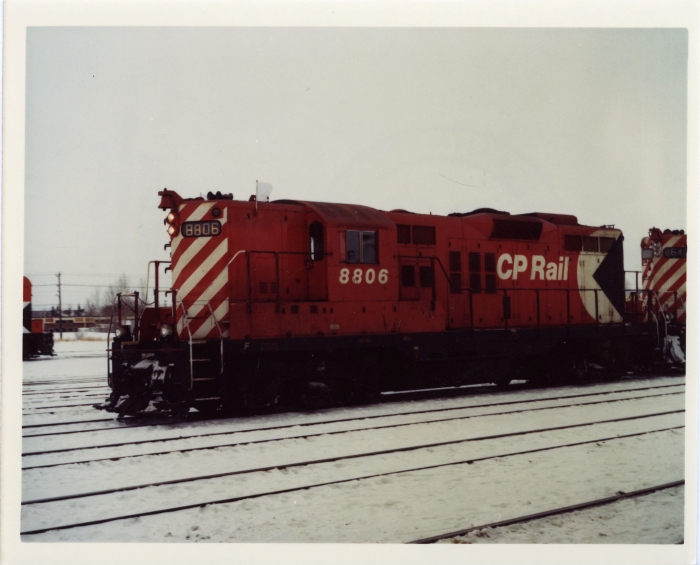
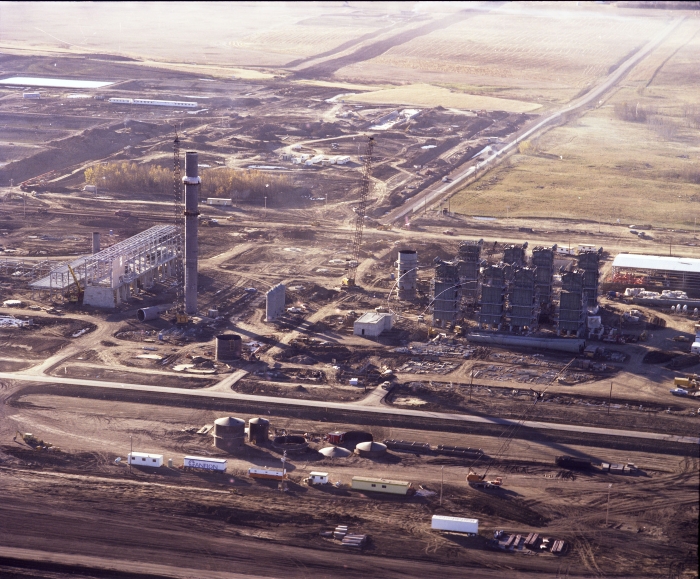
In 1996, CPR proposed constructing 12 kilometres of new track from Lacombe to the Union Carbide (now Dow Chemicals) Prentiss site. Most recently, in 2023, Canadian Pacific merged with Kansas City Southern to create the Canadian Pacific Kansas City (CPKC) railway network, the first single-line railway linking Canada, the United States, and Mexico.