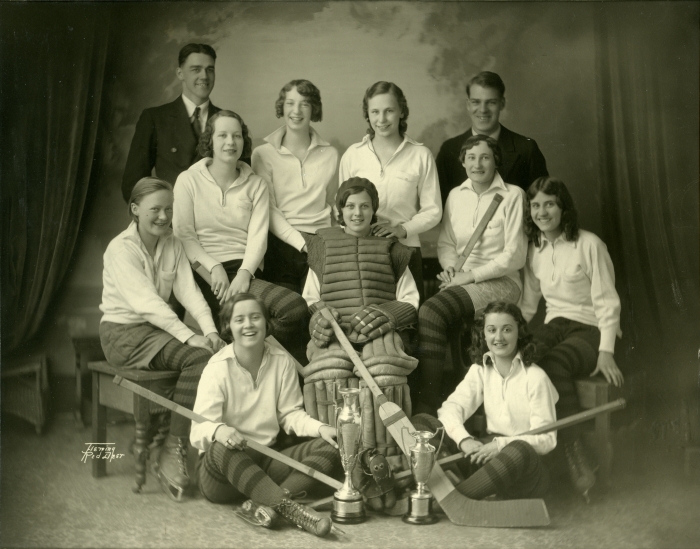
P2295, Red Deer Amazons, 1933
Hockey has been part of Red Deer’s identity since the 1890s, when informal shinny games were played on the frozen Red Deer River, and evolving into a strong, successful hockey culture.
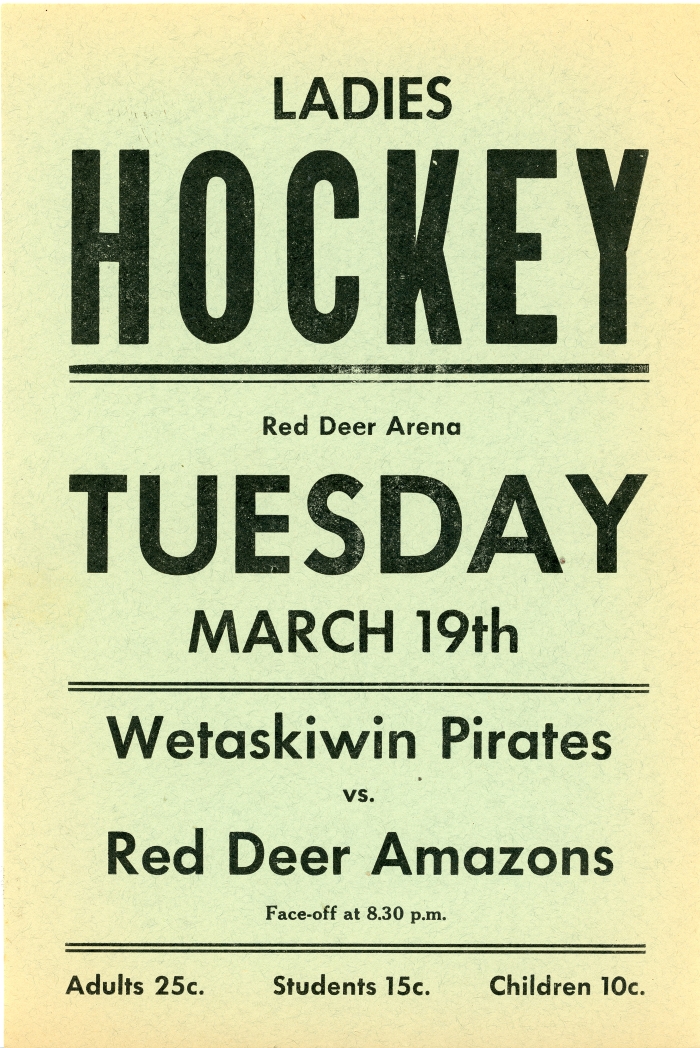
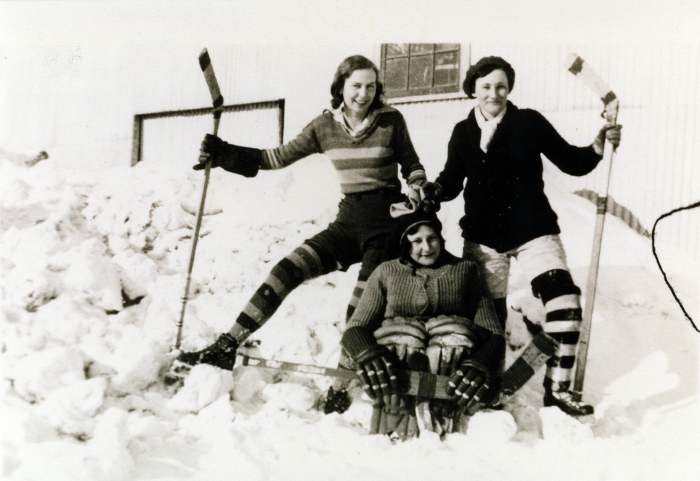
Red Deer Rustlers
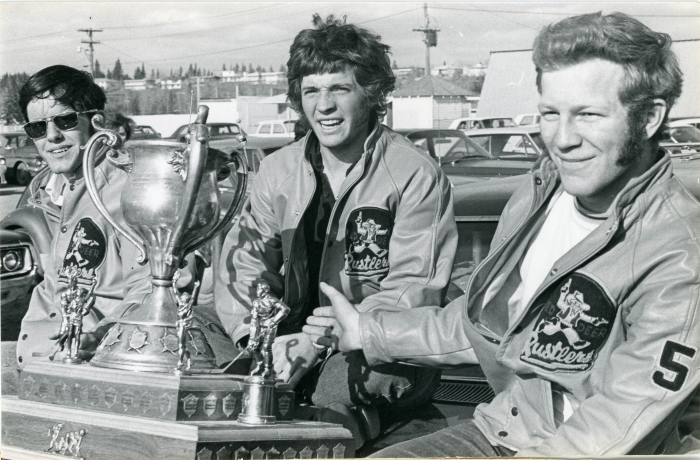
One of the city's most successful senior men’s teams was the Red Deer Rustlers. The club held its first practice at the Red Deer Arena in September 1957 and competed in the Central Alberta Intermediate Hockey League. After joining the Alberta Amateur Hockey Association in 1967, the Rustlers became a dominant force in senior hockey, winning the Centennial Cup in 1971 and 1980 along with six league championships. This led to both the 1970–71 and 1979–80 teams being inducted into the Alberta Hockey Hall of Fame. In 1992 the Red Deer Rustlers were suspended for breaking league bylaws and ultimately folded that same year.
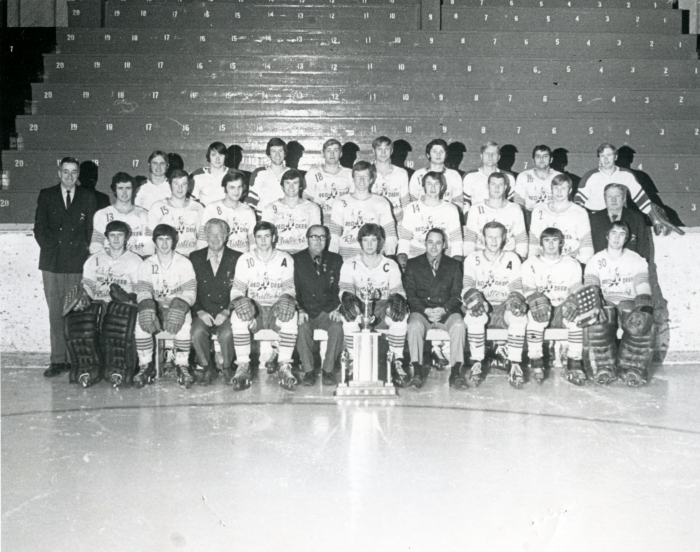
Red Deer Rebels
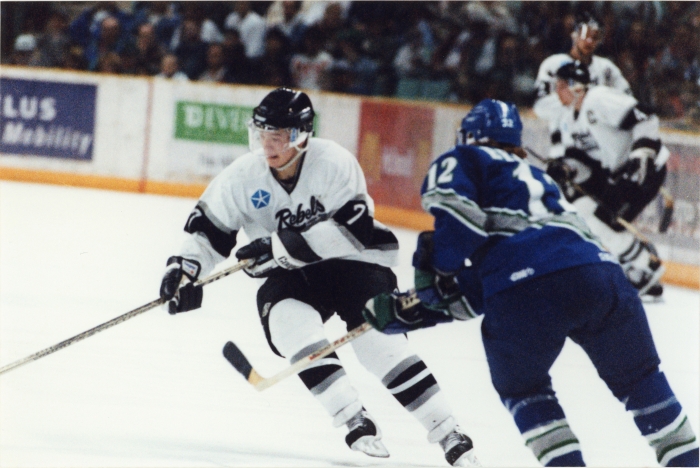
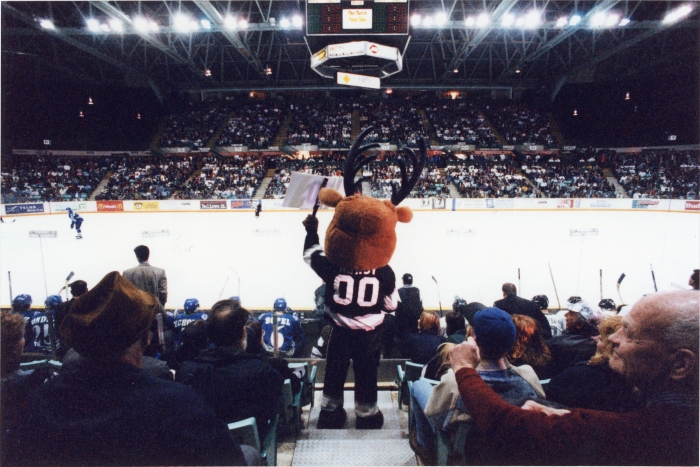
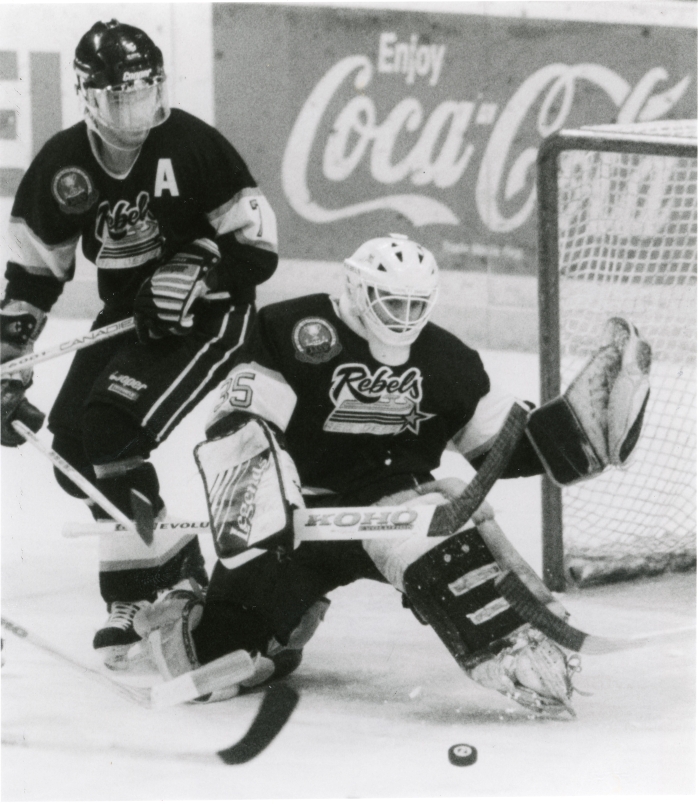
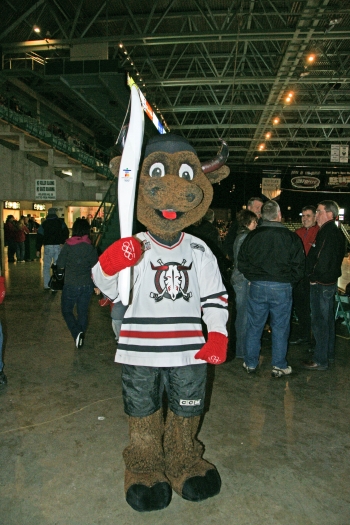
Created for the 1992–93 season to help fill the newly opened 6,500-seat Centrium, the Western Hockey League's Red Deer Rebels played their first game on September 25, 1992. The franchise quickly became one of the WHL's premier organizations, winning Memorial Cup championships in 2000–01 and 2001–02. In May 2001, the Rebels brought the Memorial Cup home to Red Deer for the first time, and the 2000–01 championship team was later inducted into the Alberta Hockey Hall of Fame. Numerous National Hockey League (NHL) players were once Red Deer Rebels, including Cam Ward, Ryan Nugent-Hopkins, Dion Phaneuf, Brandon Hagel, and Darcy Kuemper.
Red Deer Minor Hockey
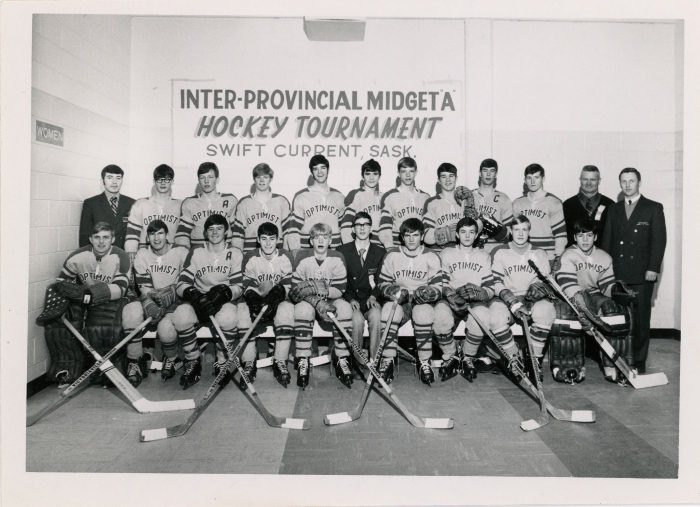
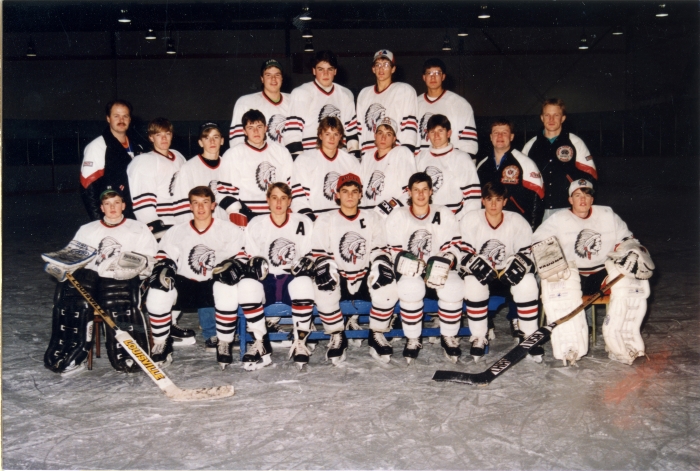
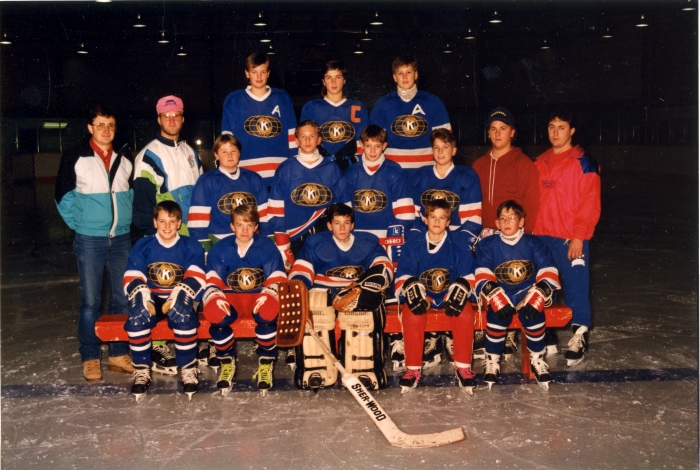
On November 13, 1968, the Red Deer Athletic Association (RDAA) was registered. RDAA’s first president, Bill Scott, oversaw two local hockey teams: the Mayfair I.G.A and the Optimist Chiefs. By 1972 there were now three teams: the Elks Junior ‘B’ Chiefs, Optimist Midget Chiefs, and Moose Bantam ‘A’ Chiefs. In 1988, the Red Deer Athletic Association and the Red Deer Amateur Athletic Association formed the new Red Deer Minor Hockey Commission (RDMHC), one large governing body for all Red Deer hockey. Today there are 72 teams with over 1300 players in the Red Deer Minor Hockey League.
Pond Hockey
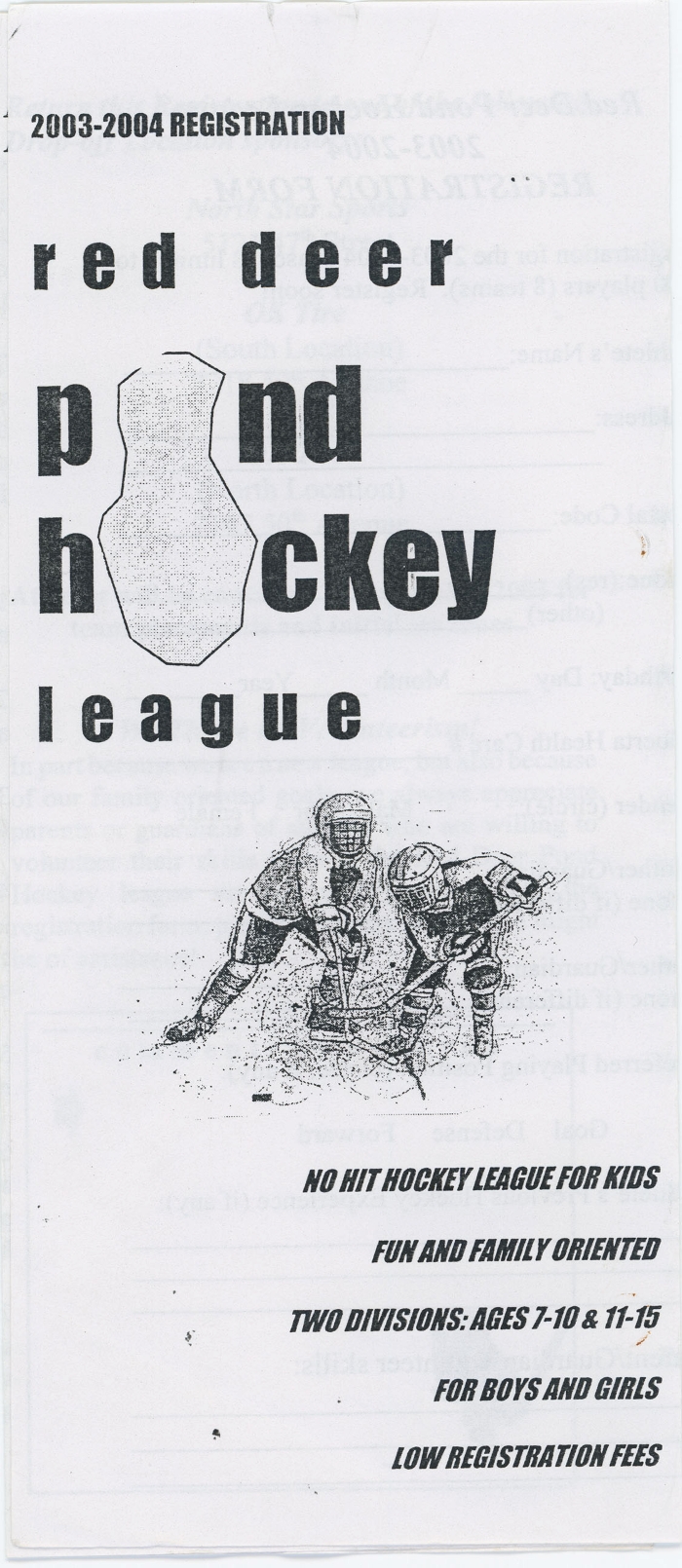
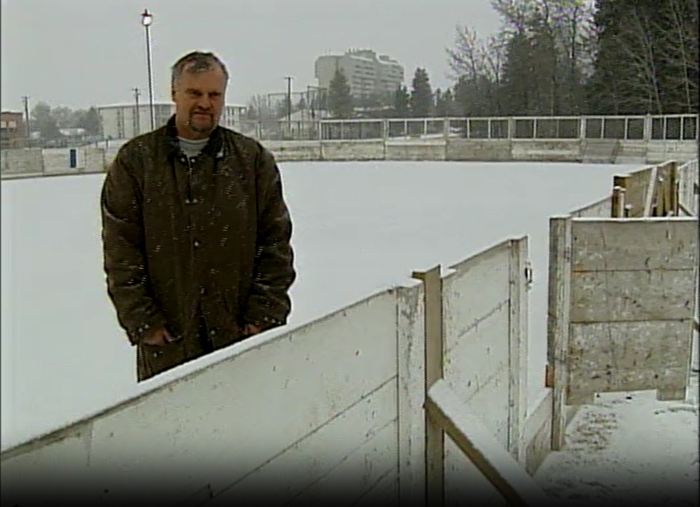
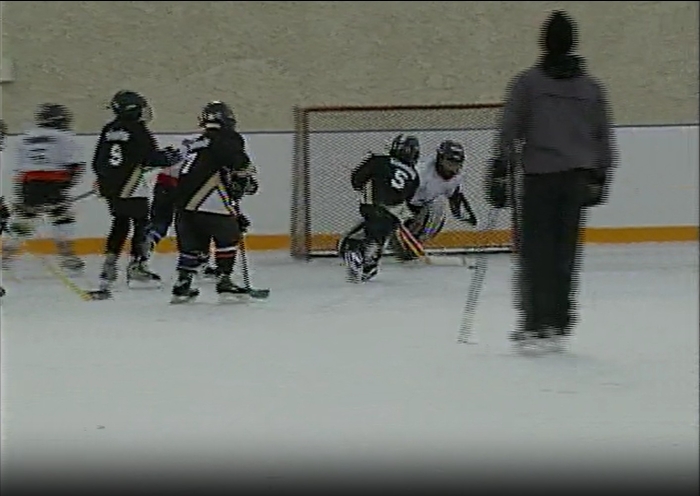
In 2002, Brian Ennis organized the first meeting for what would become the Red Deer Pond Hockey League, and the league's first games were played in January 2003. Wanting to provide an accessible alternative to mainstream hockey, Ennis developed a league that emphasized enjoyment, participation, and safe, no-hit hockey. In the inaugural 2003–04 season, Red Deer Pond Hockey included more than 130 players between the ages of 7 and 15. In the 2022-2023 season Red Deer Pond Hockey saw a large growth with over 36 teams, 119 coaches, and 490 players.
Other local clubs that contributed to Red Deer's hockey tradition included the Red Deer Intermediate Hockey League team (1905 – 1953), the Waskasoo Hockey Club (1906 – 1909), the Red Deer Junior Hockey Club (1926 – 1968), the Red Deer Buffaloes (1941-1942), the A-20 Wheelers (1942 – 1945), Red Deer Monarchs (1951-1962), the Red Deer Polytechnic Kings (1968 – Present), the Optimist Chiefs (1968 – Present), and many more.
Red Deer has also been home to many influential hockey figures. Ossie Asmundson became the city’s first Stanley Cup champion after winning with the New York Rangers in 1933. The Sutter family has created a legacy in Red Deer through their contributions as players, coaches, and owners, particularly with the Rustlers and Rebels organizations. Allan Ferchuk achieved national success as coach of the Red Deer College Kings and became one of Canada’s most respected collegiate hockey coaches. CKRD’s own Ron MacLean, a Red Deer native, went on to become an undeniable presence in the hockey world through his time as the co-host of Hockey Night in Canada. The city has also produced numerous NHL players, including Glen Wesley, Randy Moller, Chris Mason, Colton Sceviour, Mark Tinordi, Ryan Russell, Nate Danielson, and many others, reflecting Red Deer’s enduring contribution to the game at every level.
From small informal shinny games on the Red Deer River to achieving multiple national titles and international acclaim, Red Deer has fostered influential hockey figures, outstanding teams, passionate fans, and a deeply rooted, vibrant hockey community.