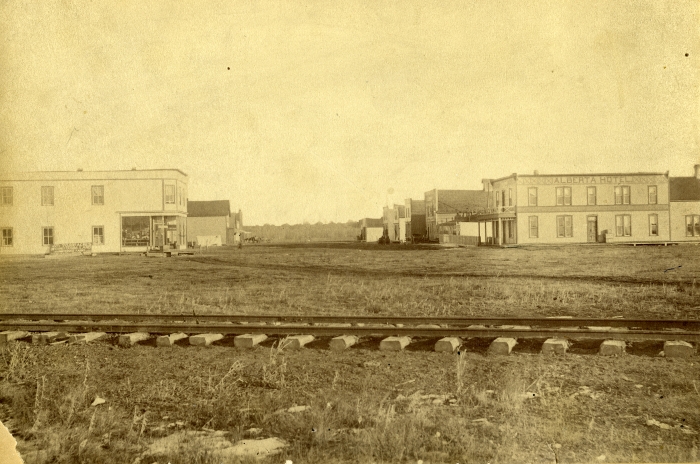
P234, Ross Street, 1891
Beginnings
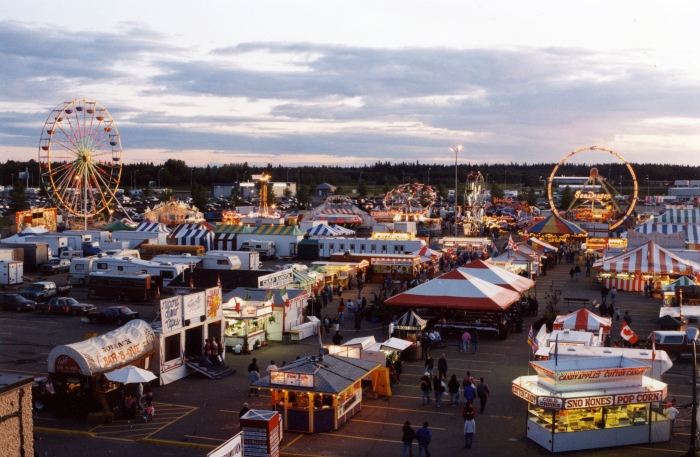
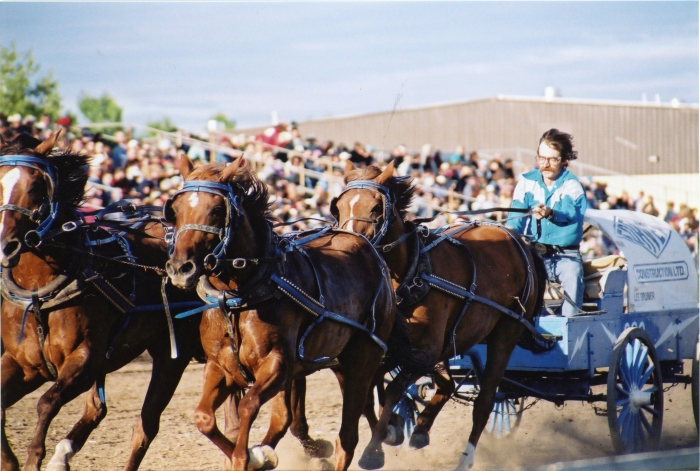
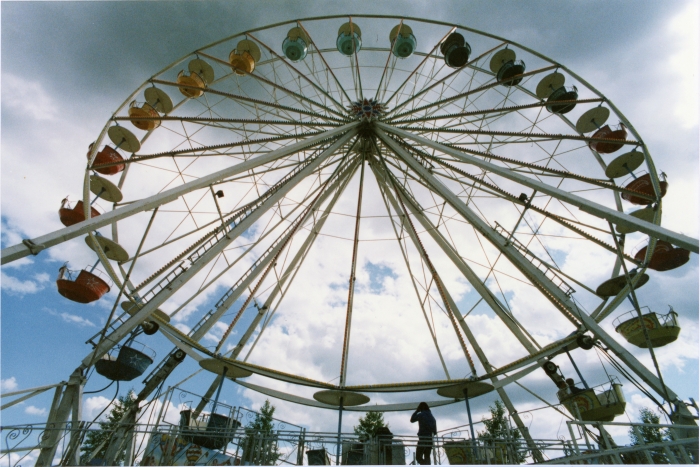
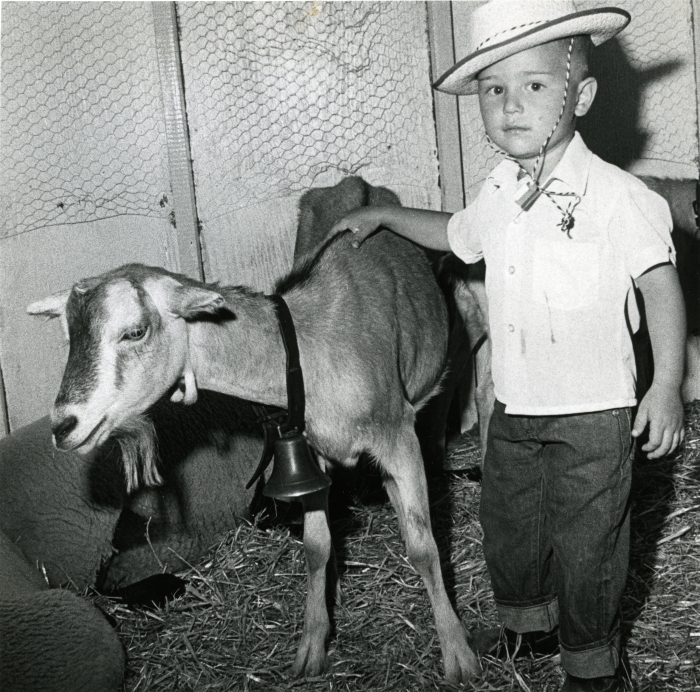
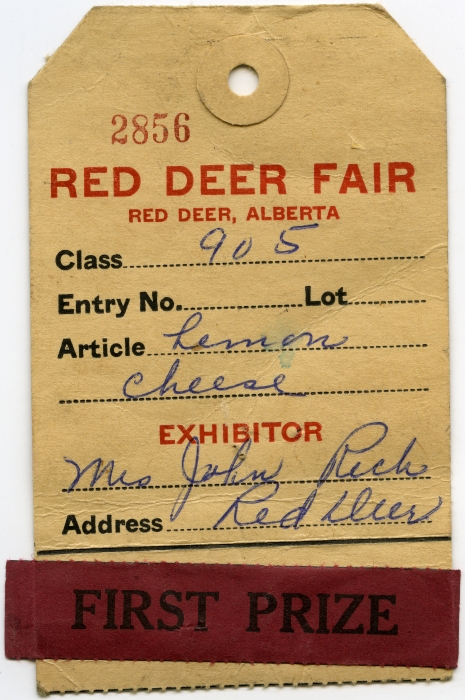
The first Red Deer Fair was organized on October 11, 1892, when Red Deer was a fledgling hamlet with only 100 residents. The fair took place at the Wilkins Block, a two-storey frame building on the north side of Ross Street with livestock shown on the adjoining grounds. In the evening, a large harvest supper was held in an open area on the south side of the street. Everyone in the community turned out for the event, the first hosted by the one-year-old Red Deer Agricultural Society.
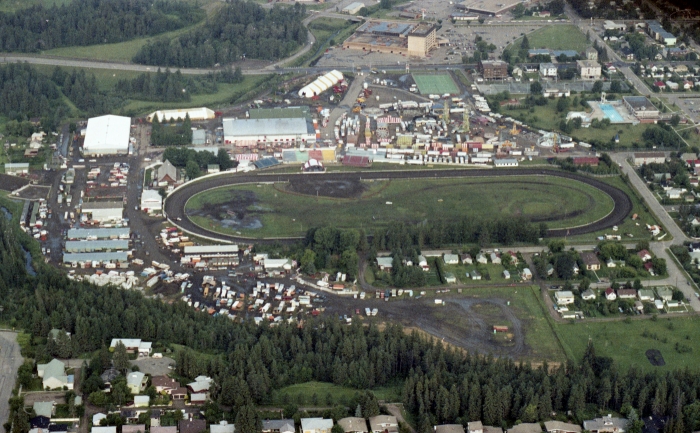
By 1902, the Fair had grown and the Red Deer Agricultural Society bought a large parcel of land from H.H. Gaetz on the southeast edge of town near Waskasoo Creek for a permanent fairground. The fair remained at that location until 1983.
On June 9, 1906, the Agricultural Society transferred its liabilities and assets to a new organization: the Red Deer Exhibition Association. The 1906 fall fair was the last one hosted under the old Red Deer Agricultural Society name. After financial difficulties in 1911 the fairgrounds were sold to the Town, the Red Deer Exhibition Association folded, and the Red Deer Agricultural Society was re-established to once again organize the fairs.
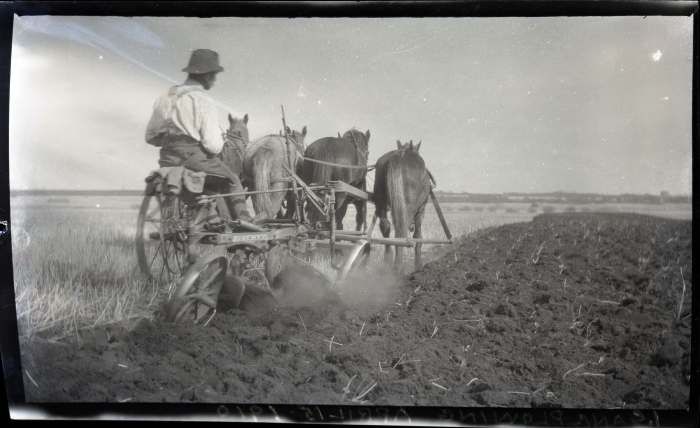
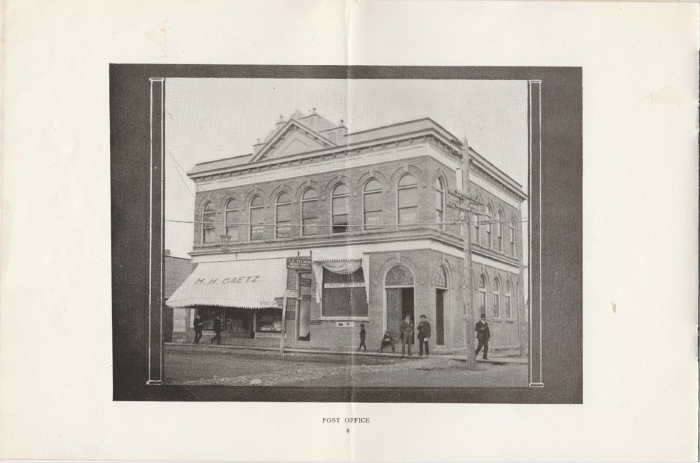
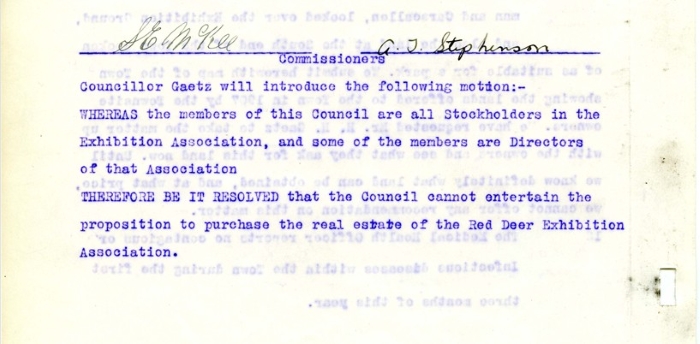
The New Red Deer Agricultural Society
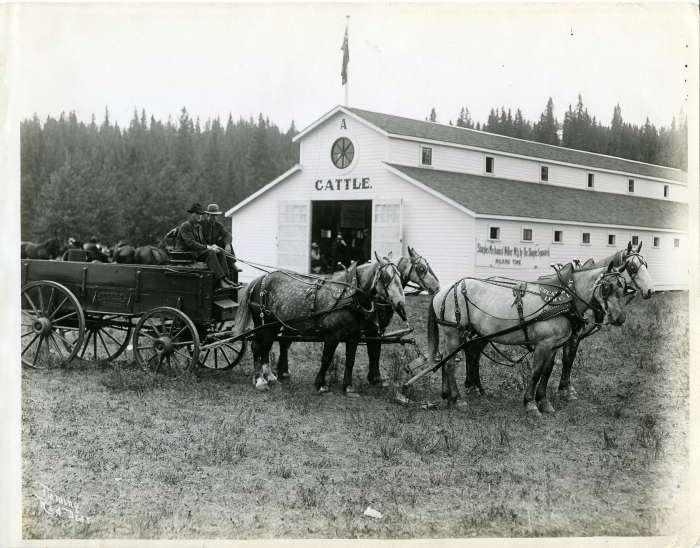
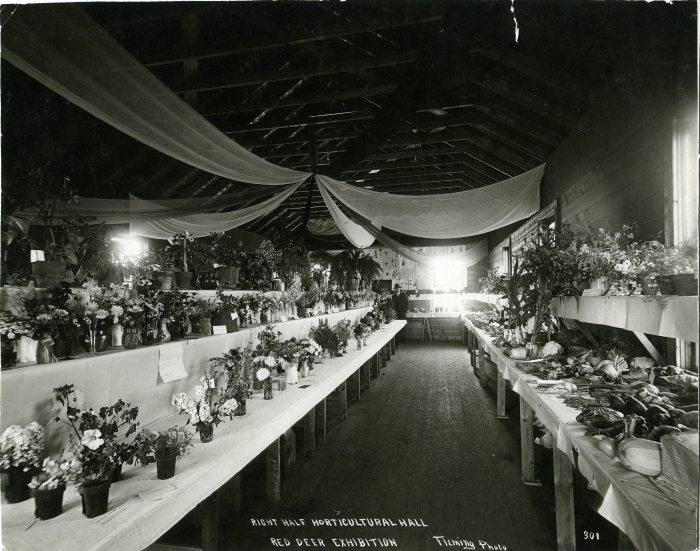
In 1912, Red Deer was enjoying one of the greatest booms in its history and the newly reformed Red Deer Agricultural Society decided to make a major improvement to the fairgrounds. Large horse and cattle barns were built as well as a large exhibits building. The Fair Board also built a new grandstand capable of seating up to 1000 people. Despite tight timelines, the grandstand was open for the fair. Enormous crowds flocked to the grounds to take in the exhibits and shows.
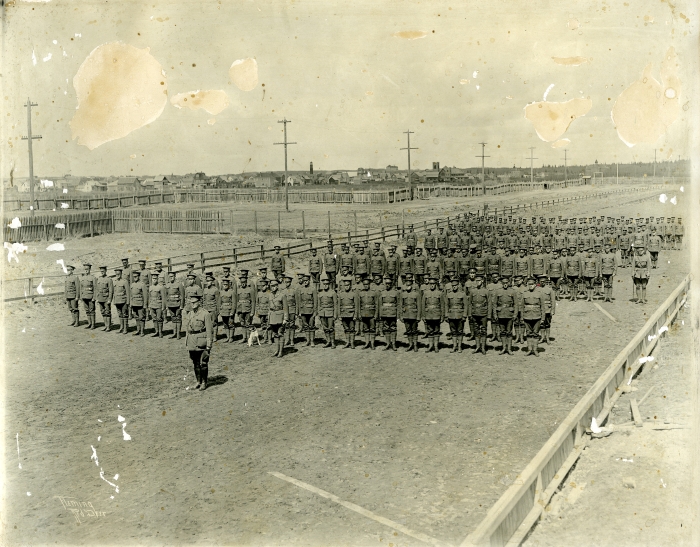
The good times came to a sudden halt in the summer of 1914 with the outbreak of the First World War. While the Federal Government leased the fairgrounds for use as a military training camp off and on throughout the war, a decision was made not to suspend the annual Fair. While this meant very crowded conditions at Fair time, large crowds still turned out.
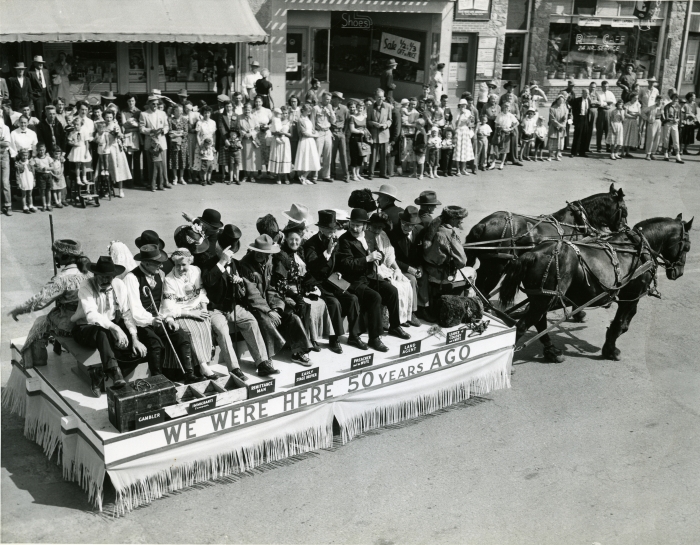
The 1920s and 1930s were generally tough years economically. For the Society, it included challenges such as: the collapse of the old army mess hall, which was being used as the domestic arts building; controversies over the sale of cola, tobacco, and beer at the concessions; and quarrels over decreases in prize money and removing eligibility of non-residents to compete in some categories. Along with decreases to federal fair grants, there were weather challenges for the Red Deer area which impacted the annual fair, especially droughts and flooding. However, the annual Exhibition remained a very popular summer family event for a large part of central Alberta, particularly during special celebrations such as the 50th anniversary of the arrival of the Leonard Gaetz family in 1934.
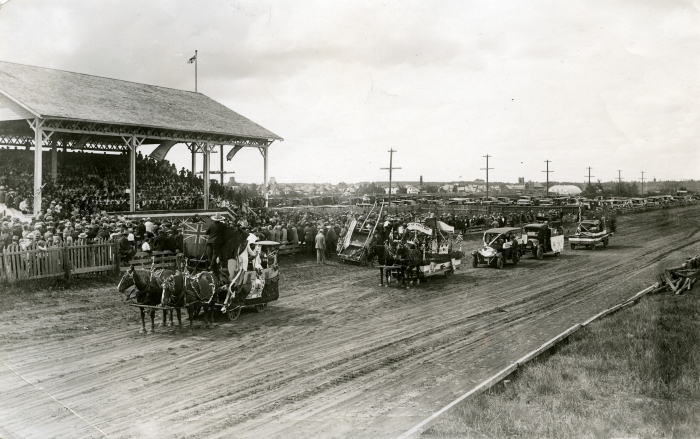
The Fairgrounds Commission and Re-incorporations
Red Deer began to grow rapidly again after the end of the Second World War. To secure a federal horse racing charter, the Red Deer Agricultural Society was re-incorporated on March 29, 1949. The new society was now focused on the summer exhibition rather than agricultural improvements.
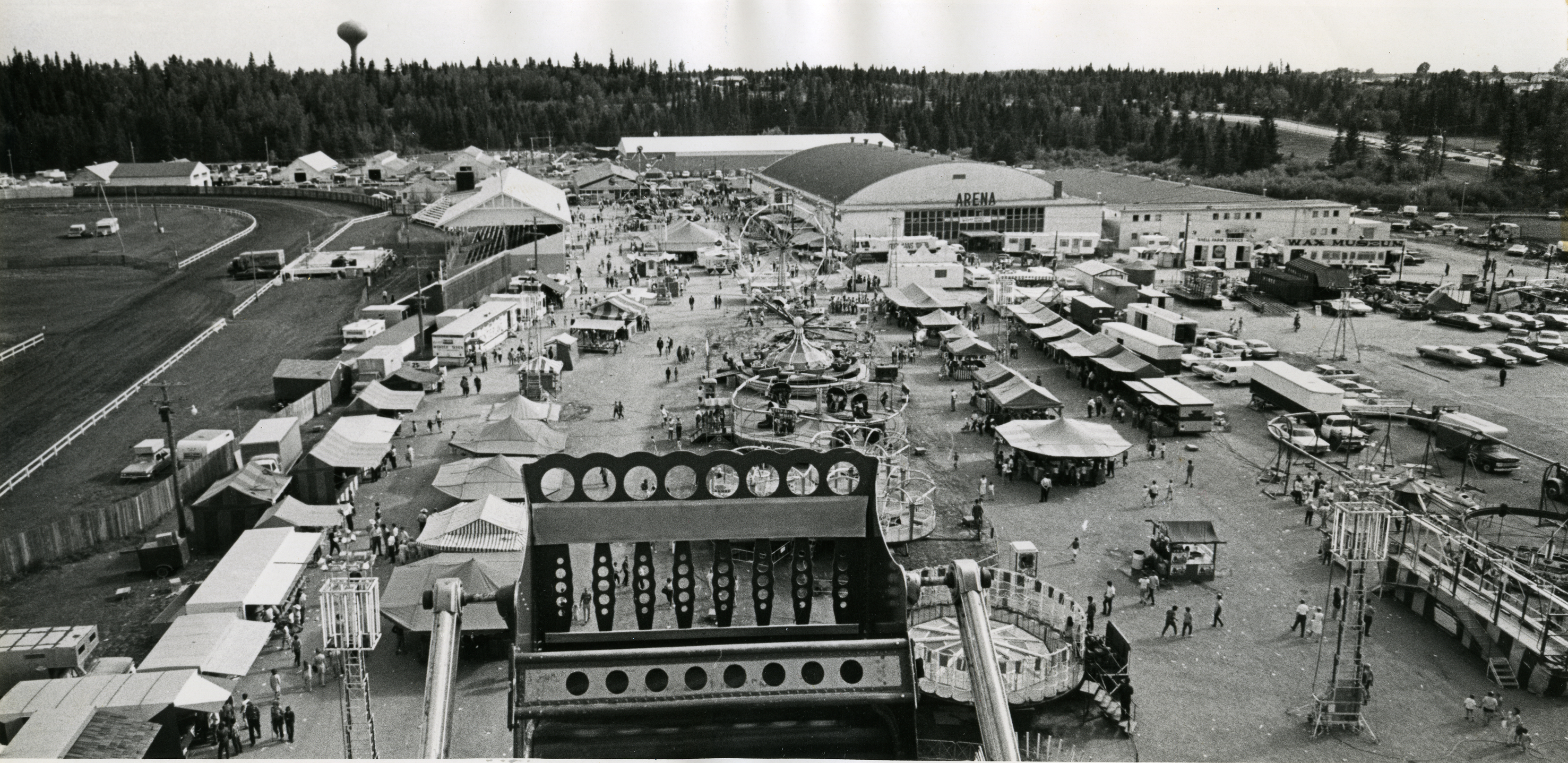
A new Fairgrounds Commission was created with , City, and general public members to give the Agricultural Society more authority over the development and use of the fairgrounds. Under this new leadership, many improvements were made to the fairgrounds and several new buildings were constructed on the site, including the Red Deer Arena in 1952.
The 1963 exhibition highlighted Red Deer’s golden jubilee as a city. Rubye MacFarlane who had served as a Lady Director for over 20 years became the first woman president of the Agricultural Society.
The 1965 Fair was the last one hosted by the Agricultural Society. Held on the 75th anniversary of the formation of the first Society, it was also the first to exclude heavy horse competitions.On December 4, 1965, the newly established Red Deer Exhibition Association, led by Gordon Towers, assumed responsibility for the Fair. The Association also took over the duties of Fairgrounds Commission to run the site.
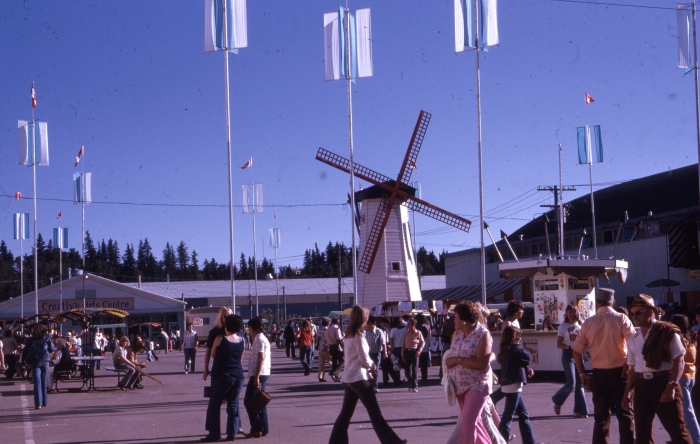
The new Association expanded offerings on the site, including an indoor rodeo in the Arena, the building of the Kinex (renamed from the proposed Redex to recognize the contributions of the Kinsmen Club to build the ice plant), and the hosting of the Red Deer International Folk Festival multicultural extravaganza in 1969.
By the mid-1970s, the annual Red Deer Exhibition was hitting the upper limits of the site’s capacity and year-round use of the fairgrounds had increased enormously. In December 1978 City council and the Exhibition Association launched a joint committee to work out the details of a relocation.
The Westerner
In support of the move, a new corporation was formed by 1980: the Westerner Exposition Association name was chosen to reflect both the past and the future of the organization and include central Alberta in its events.
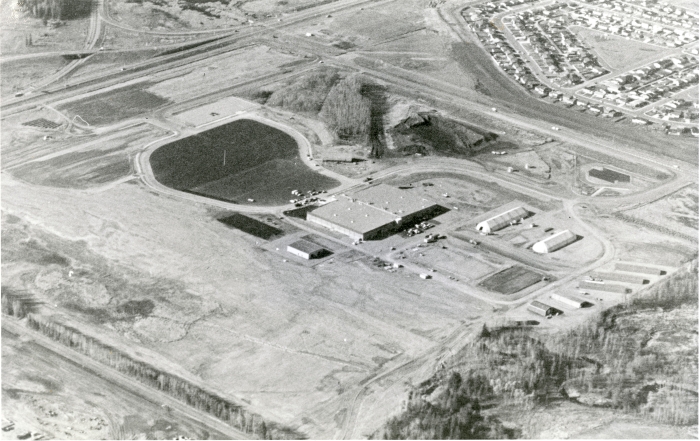
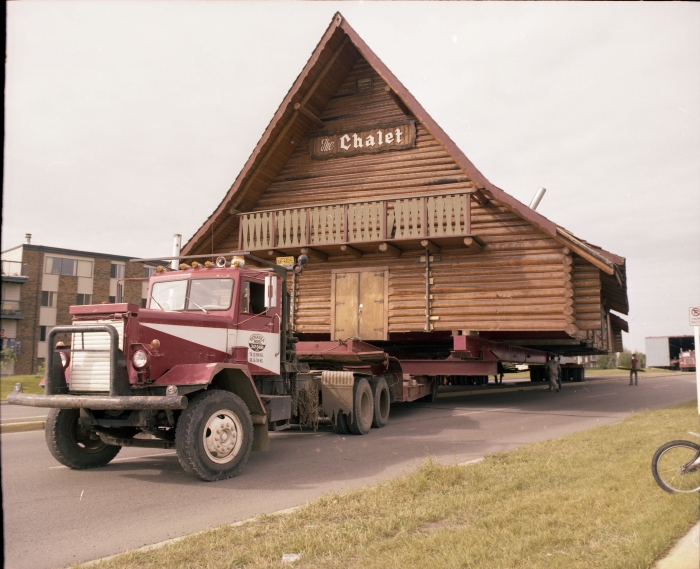
The move to a new site on the south end of Red Deer plagued with controversies but nevertheless on April 25, 1980, a sod turning ceremony was held on the new grounds. Construction was completed in time for the 11th annual Oktoberfest in 1982. The official opening ceremonies followed on December 12, 1982.
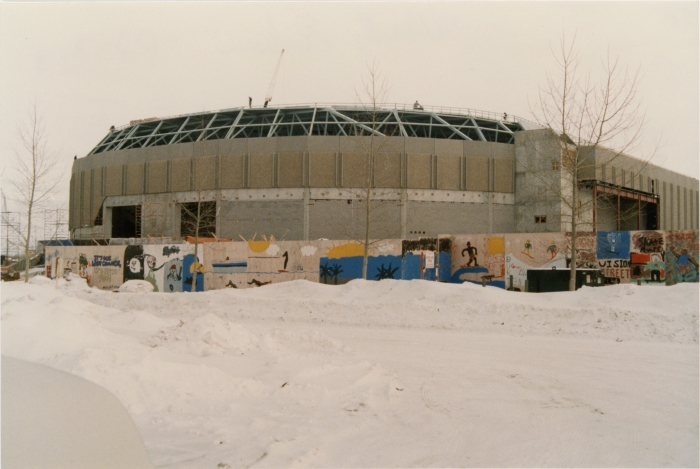
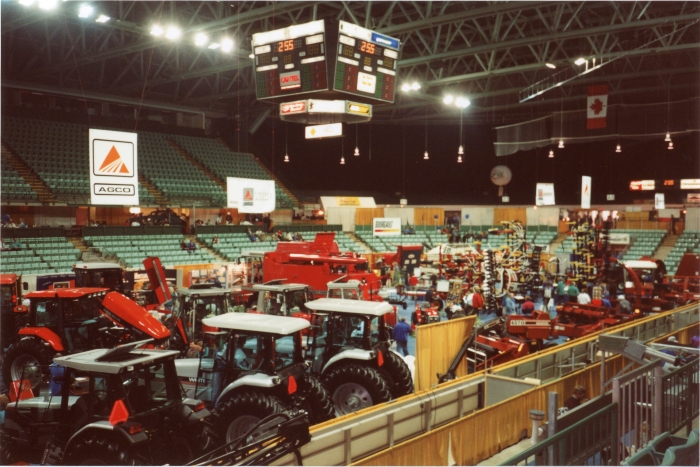
The new location attracted more than 84,000 people in 1983, the best attendance in a decade. While the recession proved challenging for the Westerner Society throughout the 1980s, new provincial lottery funding for coliseums allowed the Westerner to fulfill one of its cornerstone plans. (renamed from the proposed Centrum due to potential legal challenges) opened during the Society’s centennial year, 1991, and soon became the home of the Red Deer Rebels WHL team. The Centrium has since hosted numerous concerts, special events such as monster truck shows and Stars on Ice, and high profile sporting competitions including the Brier, the Scotties, Canadian Finals Rodeo, World Junior Hockey tournaments, and the Canada Winter Games ceremonies.
Development of the site has continued over the years, including the construction of the Harvest Centre (2000) and the Exhibition Hall (2019). In addition to the annual fair, Westerner Park hosts several major annual events, including Agri-trade, Horse Expo, and the Festival of Trees.