For over twenty years, The City of Red Deer has proactively worked to reduce fire risk in the urban forest system by reducing fuel loads in prioritized areas.
Urban Forest Fire Mitigation
Fire prevention work happens in targeted areas of Red Deer’s urban forest during the winter months to reduce fuel load and protect our community from forest fires.
Red Deer Emergency Service's Fire Prevention team and Parks and Public Works collaborate to assess the fire risk to the public and property through an annual Wildfire Management Mitigation Strategy. Through this process, we proactively identify potential issues and areas of concern, and take action to reduce fuel loads in these areas.
From December 2025 to March 2026, our wildfire mitigation work will include:
1. Heritage Ranch - upper area
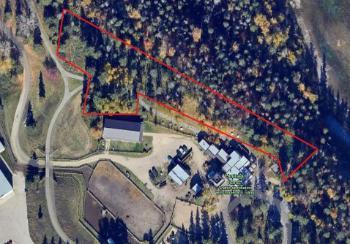
2. Michener - east and north of the Michener Extended Care building

3. Piper Creek - south of Spruce Drive and north of 32 Street
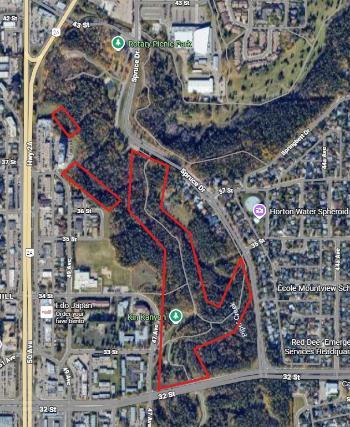
4. Piper Creek - NE of 36 St and east of 50 Ave

FireSmart Principles
FireSmartTM is a national program to help Canadians increase neighbourhood resilience to wildfire and minimize its negative impacts. Visit FireSmart Alberta to learn more about the wildland-urban interface and how you can protect your home, neighbourhood or community from wildfire.
Frequently Asked Questions
Why is this work necessary?
Wildfires are posing a growing threat to communities in Canada, and The City of Red Deer is taking a proactive approach by reducing potential fire fuel load in areas of the urban forest system. This work follows FireSmart principles and is done to increase public safety and to lower the risk of property and infrastructure damage.
Where is this work being done?
Each year, Red Deer Emergency Services and Parks and Public Works collaborate to identify locations with increased risk. This year's locations are listed in the content above.
Can the forest maintain itself?
With the growing threat of wildfires in Canada and Alberta in recent years, combined with drought conditions in the province, we anticipate the next fire season to be worse than the last. By being proactive and reducing fuel load, we are protecting Red Deer’s urban forest from wildfire threat.
Why was this area selected for this work?
This area was selected because it is densely forested and may be difficult to access with firefighting equipment.
What will the area look like when you are done?
This work is limited to trees and limbs that are dying or damaged. When we are done this work you can expect to see the removal of select dead vegetation. Dead trees that need to be removed will be felled, limbs processed through a chipper, and fallen logs will be left in place.
Why are logs left? Wouldn’t they pose a fire risk?
Decomposing wood performs a key and integral role in the forest ecology and helps maintain overall health and aids forest regeneration. Decomposing logs are often very moist and a difficult fire fuel.
Can we remove fallen logs for personal fire wood use?
No, per Parks and Public Facilities Bylaw no. 3255/2000 logs and wood must not be removed from urban parks and forests. Any logs left are done so intentionally with the forest ecosystem in mind.
How does this impact urban encampments?
Urban encampments are a reflection of the complex social challenges facing cities across Canada. Should crews encounter urban encampments while conducting this work, we will follow the camp clean up process, which involves connecting people sleeping rough to social supports and housing. If you come across an urban encampment, report it to the non-emergency police line at 403-406-2200.
Does this impact animals in the forest?
This work is being done by urban foresters, ecologists and staff who consider the health of the forest and the animals who call it home. It is completed during winter months for easier adherence to the Migratory Bird Act and to reduce damage to the forest ecology. Dead trees with nesting cavities or holes will be preserved as valuable habitat.